
Boundary Security Audits: What a Fence Company Can Do
A border is just as strong as its powerlessness, and the majority of sites have plenty of them. Not due to the fact that anybody "forgot" safety, yet due to the fact that fences, entrances, and landscaping are living systems. They change as soil works out. They get repaired. They obtain repainted. They get condemned for troubles that actually began somewhere else. Over time, the boundary comes to be a jumble of great objectives and obsolete assumptions.
That is precisely why a perimeter security audit ought to become part of a fencing company's solution offering. A fencing contractor that invests their days mounting and maintaining fencing company framework has a various view than a common protection specialist. You can see just how wind loads affect fence line security, exactly how access factors evolve, where maintenance staffs prevent going, and what "secured" truly suggests at the lock and equipment level.
If you run a fence company and want to help clients past "quote and install," this is where you make trust quick. Done well, a perimeter security audit provides property owners a clear, defensible picture of danger, plus practical upgrades that fit their budget and their everyday operations.
What a boundary safety audit really need to be
People listen to "safety audit" and think it will end up being a spreadsheet of abstract threat categories. For border work, that approach crumbles. The perimeter is physical. It fails literally. One of the most helpful audits are the ones that tie observable conditions to real-world outcomes.
A great audit begins with the fencing line as the property, but it additionally deals with the entire perimeter boundary as part of the system. That consists of the space around the fencing, evictions, the wall surface linkups, pedestrian paths, automobile approaches, and anything that offers cover or devices for bypass.
On one industrial site I visited, the fence looked fine from the street. The issue was not the fencing panels. It was the landscaping and the "short-term" professional course that had actually become permanent. Individuals utilized it since it was easier than walking to eviction, and the fencing there was regularly blocked with saved products. That solitary operations behavior created a space in actual safety even though the fence itself was intact.
A fence-focused audit should do 3 points well:
First, record what exists today, with adequate detail that a decision-maker can understand it without standing on site.
Second, explain how each problem influences bypass possibilities, access, or required entry.
Third, translate searchings for into repair and upgrade choices that a fencing contractor can reasonably execute.
The fencing company benefit: you see the details others miss
Not every audit needs specialized risk modeling. Numerous perimeter failures originate from mundane, mechanical issues.
When you set up fencings and entrances for a living, you find out to take a look at the "little stuff" because it comes to be the huge things under pressure. A gate that shuts slowly in warm weather condition can bind in winter season. Hinges that are "good enough" throughout normal usage can stop working when somebody leans into eviction throughout a press. A latch that is practically safe can still be bypassed if there is a gap vast sufficient to fit a tool.
A fencing company can also catch variances between layout and fact. Drawings can reveal a continual fencing line. The field may have an utility cut. The drawing could think an entrance is locked after service hours. The field may reveal eviction is left shut however not latched, due to the fact that it makes the early morning regular faster.
This is why a strong border audit really feels blunt in the very best means. It calls out the sensible weak points:
- Where maintenance regularly leaves doors unprotected
- Where fencing height is threatened by grade adjustments
- Where an entrance opens up external towards an obstacle, so it gets blocked
- Where personal privacy slats hide damage that needs to be visible
- Where fencing blog posts are loose in soil, not just slightly misaligned
If you are a fence company, you have utilize due to the fact that you can confirm problems quickly and advise remedies that align with exactly how fencings are really built.
Start with the border story, not just the fence line
Before measuring heights and counting gates, you need context. A website that is mainly fenced currently might be facing a different problem than a greenfield setup. Audits ought to show just how the residential or commercial property is used.
Key questions you need to ask the customer can be dealt with in plain language, because you are not carrying out a scholastic research. You are mapping operational behavior to physical security.
For example, a stockroom with several deliveries might have an entrance website traffic pattern that assures wear and misalignment. A college may have a maintenance budget plan that affects fence finish and post substitute intervals. An utility corridor may have plant life development that produces cover-up and "soft entry" choices even when the fence continues to be standing.
Even within one residential property, border threat can vary block by block. A loading dock side facing a staff-heavy entryway will behave in a different way than a rear boundary that sees less people and more shipments piled temporarily.
If you desire your audit to land with clients, treat it like a story. You are recognizing where the website's routine creates loopholes.
Walk the line: what you need to observe in the field
A boundary audit have to be field-led. There is no replacement for seeing the fencing line face to face, consisting of sight lines, gain access to courses, and landscaping. Photos alone can aid, but they can not record every little thing: the means a gate swings when pressed, the adaptability of a fencing section, or how swiftly an individual can get to a susceptible latch from neighboring cover.
You ought to observe structural and functional conditions together. Right here are the kinds of findings that consistently matter throughout various sites.
Structural vulnerabilities
These are physical weak points that can enable bypass, forced entrance, or collapse.
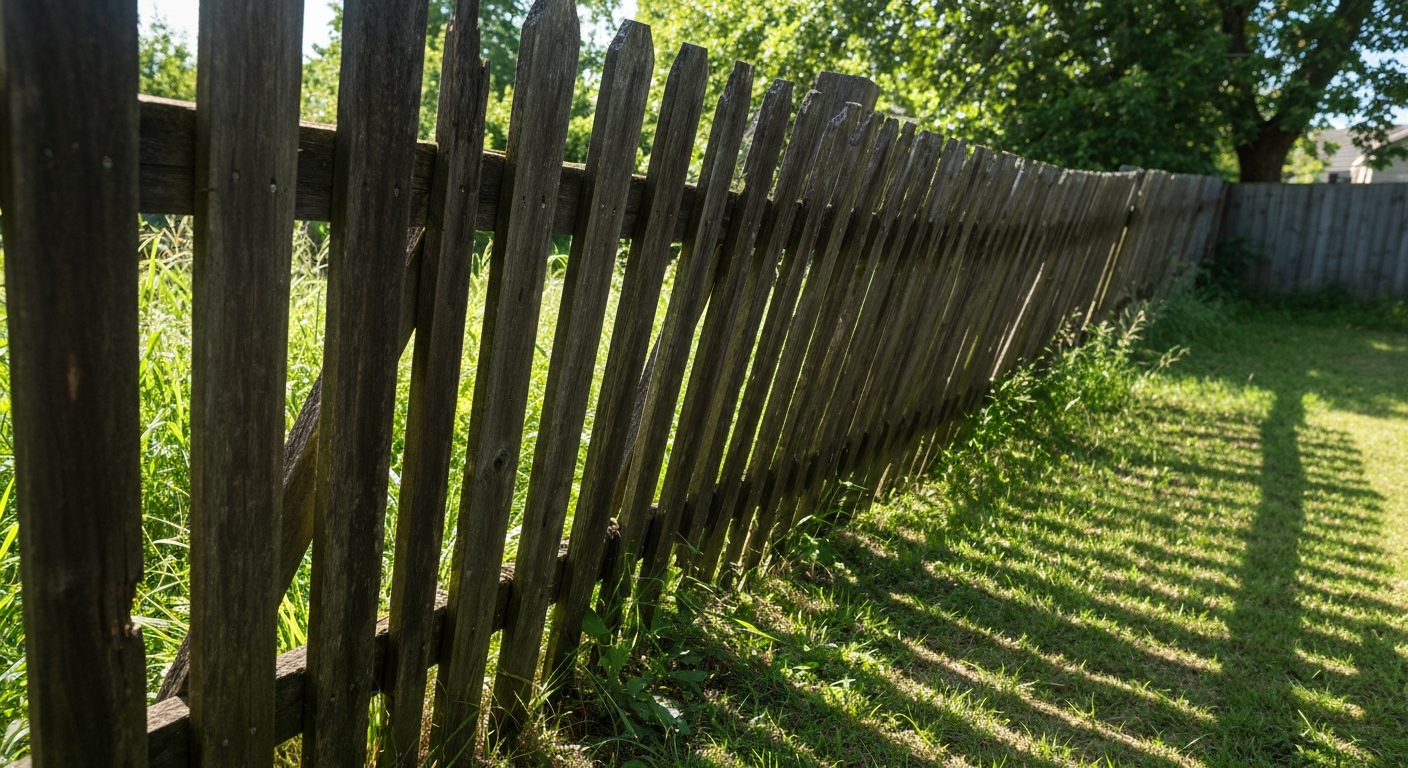
Fence areas that are out of placement, leaning, or dividing from messages can produce openings that a person can manipulate. Low spots matter also on "typical" fences, because quality and debris accumulation can properly reduce height. Post spacing and message deepness likewise matter. If the soil is rough or soft, the very same fence style might behave in different ways across the property.
In audits, I usually see the exact same pattern: the fencing is built to a specification, however the ground problems change after installment as a result of drainage renovations, brand-new concrete pads, or seasonal erosion. That is why you must contrast fencing condition to where the grade line really rests today.
Access and bypass opportunities
Security fails when there is a realistic path from "outside the border" to "inside the controlled area" with marginal friction.
In sensible terms, you are trying to find:
- Missing panels or sections that were never ever completely recovered after repair services
- Gaps at fence lower edges where greenery or particles creates an easy step-through
- Unsecured utility openings, upkeep doors, or low clearance areas
- Fence discontinuations that do not attach easily to wall surfaces or frameworks
- Gate concerns where latch interaction is irregular
Gate and equipment realities
Gates are entitled to unique focus because they focus web traffic and wear.
A locked gateway is only as protected as its latch, joints, structure rigidness, and the surrounding clearance. If eviction sags, the latch may still catch, however not in a way that resists utilize. If hinge pins use, the gate might wander and develop a gap at the latch side. If eviction is not lined up with the strike, it may be left partially open or "taken care of" with improvised adjustments.
If you have done installs, you recognize that entrance security is rarely regarding one component. It is the communication: the hinge condition, the frame strength, the lock kind, and the article anchorage.
And indeed, "it always shuts" is not the same as "it is secured."
Sight lines, concealment, and predictable behavior
Even a solid fencing can be compromised by what is around it. Plant life, surface modifications, and lighting spaces can decrease prevention and boost the moment window for an attempted bypass.
If the border sits in shadow with weak lights, a person can come close to and act before discovery. If thick shrubs touch the fencing line, they can hide damage and make climbing up easier. If the ground cover is soft, it might leave tracks behind however likewise permit fast activity without noticeable noise.
A perimeter audit should include illumination and visibility notes. You do not need to make a lights system, however you do need to recognize where visibility is successfully blocked.
How to turn monitorings right into actionable recommendations
Clients can obtain protective when you inform them their boundary is weak. Your work is to make suggestions feel grounded, not dramatic. That means tying each referral to a certain observed condition and a specific improvement that a fencing contractor can execute.
A helpful audit deliverable typically consists of a story of findings and a prioritized collection of job alternatives. Prioritization is where your judgment programs. Some solutions are immediate due to the fact that they develop direct bypass possibilities. Others are upkeep items that lower danger over time.
You can structure referrals in three rates, explained in prose instead of hefty kinds, however the logic must be clear:
Immediate risk things, like spaces, missing sections, entrance misalignment, or unstable posts.
Short-term solutions, like equipment changes, boosted locking, and sealing fence bottom gaps.
Long-term upgrades, like re-fencing areas that have actually experienced repeated repair work, adding personal privacy or anti-climb features where suitable, or redesigning entrance placement.
An example audit process a fencing company can deliver
You do not need to replicate a corporate playbook to be professional. The boundary audit need to fit the means area teams operate and the method clients decide.
In most situations, a reliable audit can be delivered in a few visits, plus a record that does not overwhelm.
Here is a field-friendly procedure that a fencing company can reasonably run:
- Pre-walk evaluation of website maps, gate timetables, and recent fixing history
- On-site stroll, image documents, and fast measurements at trouble areas
- Hardware and gate feature checks, focusing on latch interaction and clearance
- Access path mapping, consisting of where individuals normally step far from gateways
- Post-walk record with prioritized repairs and suggested extent alternatives
That is the entire point. You minimize obscurity. You show what you saw. After that you give a job plan that is ready to estimate.
Trade-offs you have to describe out loud
Bold audits need to not sugarcoat the trade-offs. Some clients desire "optimal security" without accepting what that costs operationally.
For circumstances, raising fence height might need clearance sychronisation with existing frameworks. Adding anti-climb functions can change upkeep gain access to and might call for even more frequent cleansing. Upgrading entrance hardware can improve safety and security, but if the gate becomes more challenging to run, team may bypass treatments. If you overlook those realities, you will deliver safety theoretically and operational disappointment in actual life.
Another common trade-off includes personal privacy and presence. Customers that want personal privacy commonly reduce view lines for protection personnel. That can enhance camouflage, particularly in areas with limited illumination. You need to talk about it, not pretend the selection is simply aesthetic.
A 3rd trade-off is downtime. Some repairs require sections to be out of service. Entrance upgrades might temporarily minimize distribution adaptability. A specialist boundary audit should note these restraints so the customer can plan.
If you are a fencing contractor, your trustworthiness expands when you existing options with honest restraints, not simply a best-case recommendation.
Common boundary audit searchings for and what typically repairs them
You will certainly see patterns throughout websites because human actions and building and construction truths repeat. Below are some recurring findings and just how they are generally attended to, in plain terms.
When fence bottom clearance has actually grown, the issue is typically not "negative setup," it is settlement, particles, and plants. The fix may involve re-leveling, mounting lower skirts or barriers where ideal, and setting maintenance assumptions so the space does not sneak back.
When gateway lock interaction is irregular, the trouble could be placement or sag, yet it can also be endure joints and strike geometry. In some cases the service is simple equipment replacement. In some cases it calls for resetting eviction structure, readjusting message anchorage, or replacing the gate leaf if the frame is turned from duplicated impacts.
When service providers have "momentary accessibility" that becomes permanent, the fix is both physical and step-by-step. A fence can include a controlled pedestrian route, or the border can be redesigned so the very easy course routes via an appropriately safeguarded opening. If you just include barriers without attending to the behavior that produced them, the boundary will degrade again.
When fence sections fall short continuously in the exact same areas, there is generally a cause. Possibly lorries regularly bump that area. Perhaps drain develops dirt motion. Perhaps the fence is being used as a storage space limit. A good audit calls out the most likely cause and suggests the repair service plus the prevention.
What to consist of in the report customers really use
A record must not check out like a hazard assessment. It ought to read like a building decision tool.
Most customers want solution to inquiries like, "What needs attention initially?" and "What can we do without interrupting operations?" and "What should we allocate this quarter versus following year?"
Your record should include enough detail to support quotes and organizing. That implies clear pictures with areas, easy dimensions where appropriate, and direct summaries that can be handed to procurement or facilities.
A fencing company can additionally add value by documenting existing hardware types when possible. If you can identify latch styles, joint kinds, and gate arrangements from the field, you can minimize the uncertainty throughout procurement.
Most significantly, the record ought to link searchings for to suggested activities. If you determine a vulnerable accessibility factor, you should advise just how to close it in a way that matches the site's workflow, not just in a common safety and security sense.
When an audit ought to trigger immediate action
Some issues are not "we ought to plan for later." They create instant openings and typically accompany higher operational risk.
If a fence area is missing out on, an outside opening is unblocked, or a gate locks inconsistently, you ought to flag that plainly and advise an immediate fix.
Likewise, if you find locations where the boundary is jeopardized by energetic damage that keeps recurring, your audit needs to suggest control and stablizing. Fencing line failings can escalate rapidly, especially after storms or throughout hefty seasonal winds.
That becomes part of the "strong" tone clients appreciate. You do not decrease threat due to the fact that it is uncomfortable. You document it and push for the right timing.
The human side: just how audits come to be partnerships
The best fencing company audits develop momentum. Customers seem like someone is on their side, somebody sees the site the same way they do, and a person can supply actual upgrades rather than unclear recommendations.
You likewise win count on by dealing with the audit as collaborative. When you point out a susceptability, you can ask just how the area is utilized, what maintenance regimens exist, and whether there are delivery constraints you must make up. In some cases a suggested solution is practically sound yet conflicts with accessibility requirements. When you capture that early, you avoid rework.
I have actually seen projects stall since the border recommendation did not account for exactly how the site actually functions. A gate upgrade might have been ignored due to the fact that it made shipments harder. A lower barrier might have been slammed because upkeep staffs hated it. Those problems are reparable. The difference is whether the audit entailed the people that cope with the border every day.
If you want to position your fencing company as more than a distributor, run the audit like you are helping somebody shield their procedures, not just their boundary.
Pricing the audit and setting expectations
Security audits can terrify clients due to the fact that they think it will end up being costly consulting. Your work is to mount it properly.
A border protection audit delivered by a fencing group must be valued like an on-site evaluation with documented range outcomes. That implies you ought to clarify what is consisted of: number of website check outs, dimension and image documentation depth, report format, and whether the audit consists of a preliminary prepare for fencing repairs and entrance upgrades.
You ought to also clarify what the audit does not consist of. If the client desires a full safety and security hazard model or legal conformity evaluation, that is a different service. Your audit can still be important without pretending to be something it is not.
When assumptions are clear, clients are more likely to move from referrals to action.
One truth check: no fence is a magic shield
This is where several fencing companies oversell or under-explain. A perimeter audit should enhance a based truth: fencings are a delay and deterrence system. They become part of a layered strategy, even when the layer is the just one the customer has.
That means your referrals need to concentrate on decreasing the chances and increasing the moment and initiative required to bypass the border. In most cases, that is attainable with functional upgrades: better gateway hardware, remedied positioning, repaired discontinuations, improved bottom barriers, and plant life monitoring guidelines.
If a client expects complete prevention, you will always dissatisfy them. If they understand the function of perimeter systems, your audit becomes a roadmap to measurable improvement.
Where boundary audits match your service line
A border safety audit ought to lead normally right into repair work and upgrade job. That can be in the very same month, or it can be an organized program over time.
If you are building your fencing contractor brand, audits are a powerful entrance factor since they place you as an issue solver. Individuals employ a fence company to quit failings, not simply to set up brand-new material.
When you supply a solid audit and follow it with clean, professional implementation, you produce reoccuring company. Facilities managers remember that aided them comprehend and prioritize risk.
And for a fencing company, repeatable audit shipment transforms field understanding right into a solution that scales beyond a single project.
A brief checklist you can utilize prior to the site walk
You do not require a fancy binder. You do require a constant method, especially if numerous staffs will perform audits over time. This list is implied to keep your process sharp and your documentation usable.
Before you walk the home, confirm you have:
- Access to gate timetables, key control essentials, and any kind of recent repair notes
- A cam and a basic method to capture location context for every picture
- Tools for fundamental measurements and hardware recognition
- A clear prepare for where you will begin, where you will finish, and that will certainly escort
- Time to check not simply the fence, however the ground, gateways, and nearby cover
If you maintain this self-control, your audit report will certainly be much more accurate, your photos will certainly be simpler to reference, and your referrals will hold up when clients ask tough questions.
The bottom line for fence-focused security
A border protection audit is not regarding selling anxiety. It has to do with equating what you see right into what the client can do.
When a fencing contractor carries out an audit with field-level proficiency, it becomes more than a paper. It ends up being a decision-making device based in fence construction, gateway auto mechanics, and the genuine methods people communicate with the perimeter.
Clients will still respect aesthetics and budget, however they will trust you a lot more when you reveal clear top priorities and practical solutions. That is what transforms a normal fencing job right into something bigger: a safety enhancement project that protects individuals, operations, and assets beyond of the line.
If your fence company can do that constantly, you quit being "the installer" and begin being the partner that helps customers safeguard their boundary with clearness and results.