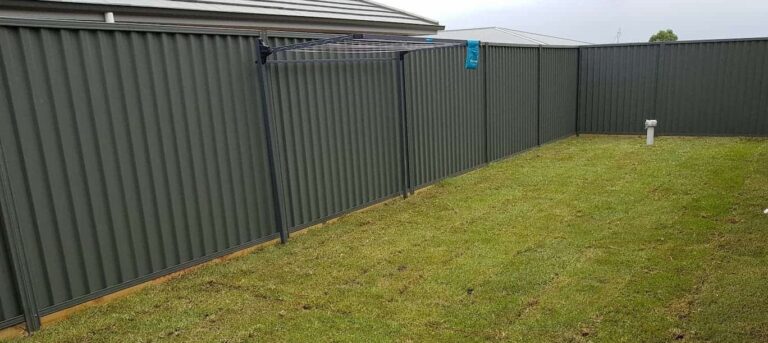
Fence Installer Melbourne: Meeting Regional Rules for Limits
Putting up a fence Melbourne can really feel easy right up till you start checking out council assistance, inspecting overlays, and realizing that "border" is not simply a word on a survey plan. It is a legal line that triggers authorizations, height restrictions, neighbour obligations, and in some cases authorization from various other parties entirely (assume easements and energy suppliers). I have seen a lot of great fences obtain delayed or redesigned because the documents and the limit details were dealt with like an afterthought.
If you are working with a fence installer, or you are contrasting quotes from fence installers Melbourne, the distinction between a smooth work and a frustrating one is normally not the colour of the blog posts. It is whether the installer really works through regional needs prior to the initial dig.
Start with the limit, not the fence
Before wood goes down or steel blog posts get set, you desire clearness on the limit line and what you can legitimately build on it.
In method, I always encourage customers to treat 3 points as different concerns:
First, where specifically is your border on the ground. Second, what section of that limit is affected by guidelines that change relying on location, such as street-facing locations or overlays. Third, that has obligation and authority to develop, repair, or modify the fence.
The "where" component commonly needs a study or, at minimum, a significant border plan. A great deal of homes have old study diagrams, pipe areas, or boundary marks that have moved with time, particularly in established residential areas where properties have been partitioned, consolidated, or updated. If a fence installer Melbourne procedures and sketches without validating the boundary position, you can wind up building on the wrong side of the line. That does not just produce neighbor tension, it can develop conformity problems and functional prices when you have to move the fencing later.
The "guidelines" component is where people get captured. Fence elevation, materials, and often permitted areas can alter depending on whether you are developing a dividing fence, a front boundary fencing, or a side fence impacting visibility near an intersection. It can also vary by intending zone and overlays. And overlays are where the unforeseen programs up. A home may be subject to plant life securities, heritage restraints, or other conditions that influence what can be set up and where.
Who owns what, and why it matters for dividing fences
A separating fencing is normally the fencing that sits on or near the boundary in between 2 homes. Yet also when a fencing is indicated to be "shared," the approval and maintenance duties rely on the situation. Occasionally both proprietors contribute. In some cases one celebration can act, however they still need to follow the best procedure for border compliance and notification requirements.
If you are working with a fencing installer Melbourne to change an existing fencing, ask to clarify what they are dealing with as the dividing fence and whether they are complying with an agreed plan with both events. I have had jobs where one neighbour assumed the fence would certainly be entirely theirs to take care of since they paid previously, after that unexpectedly the scenario altered when a substitute needed a various elevation or a different placement. You can stay clear of a great deal of that by getting the intent documented early, even if the partnership is friendly.
The sensible idea here is simple: when you meet with fence installers, ask to clarify exactly how they manage boundary area, neighbour interaction, and any type of survey or positioning checks. A professional fencing installer Melbourne need to be comfortable talking about procedure, not just materials.
Local regulations in Melbourne: what typically alters your design
Melbourne fence regulations are not a single global number that applies to every road, every whole lot, and every fence line. They depend on where the fence is (front boundary versus side or rear), the height, and sometimes the exposure effects for pedestrian and vehicle movement.
Because of that, one of the most defensible method is to deal with the council needs as design inputs, not as a "we will manage it later on" step. When I have actually done the front-end monitoring with clients, the crucial things typically fall under these classifications:
- Fence elevation restrictions and how they are measured (specifically for front or street-facing fences).
- Requirements that may apply to visibility at intersections or driveways.
- Whether the fence should be held up from the boundary line in particular circumstances.
- Material or construction constraints in certain zones (as an example, where solid wall surfaces might impact amenity).
- Permission procedures where the residential or commercial property is affected by overlays or other planning controls.
- Service locations and easements that can restrict where blog posts can be installed.
I am deliberately staying basic with these, since the exact limitations and sets off can vary. The best technique is to inspect the relevant regional preparation system controls with your council, and if required, ask the fencing installer to reveal you exactly how they figure out compliance for your address and fence type.
Permits and approvals: when you ought to expect additional steps
Many limit fence jobs can proceed with marginal fuss, especially when they mirror an existing fence and remain within typical restrictions. Yet there prevail circumstances where you should anticipate authorizations, additional documents, or at the very least an extra cautious process.
For instance, if you are transforming from a reduced, translucent fencing to a high strong obstacle, you are more likely to encounter height or presence considerations. If you are building in a location with an overlay, the approval course can become more certain. If the fencing crosses or rests near an easement, even a fence that is "theoretically" within the border could be limited in practice.
The most important point, from an installer's perspective, is that conformity is easier when you design for it early. As soon as holes are dug, it is costly and disruptive to redesign. I have viewed perfectly good setup groups scramble to take care of placement and elevation problems after a late boundary explanation, which shuffle always sets you back time, and it occasionally costs money.
If you wish to keep the task calm, ask your fence installer Melbourne how they manage the compliance check. The most effective installers deal with conformity as component of their task, not as a favour you ask after they have actually quoted.
Why neighbourhood discussions can save you weeks
People take too lightly just how much time gets shed due to the fact that nobody spoke with the neighbour until the fencing was ready to go in the ground.
Even when a border fencing substitute is simple, it deserves confirming a few functional points with the adjacent homeowner:
- where the existing fencing sits, and whether it matches the boundary
- what the neighbor anticipates in terms of height and appearance
- how access will work throughout installation
- what occurs with short-lived elimination or construction debris
In my experience, it is not the "huge debates" that cause delays. It is the little gaps in expectations. One neighbor believes the brand-new fencing will certainly change the old one specifically. Another anticipates gateways at a specific area for access. One more is concerned concerning personal privacy and light. If you resolve those concerns early, the installer can arrange and straighten the job without surprises.
A fence installer should additionally comprehend how to connect clearly, particularly if there are any type of compliance steps that could need neighbor input. If you seem like you are the only one doing the talking, that is a sign you may be dealing with someone who mounts fences however does not manage border procedure well.
Planning your fence layout around real-world constraints
Regulations apart, there is the website itself. Melbourne yards can be stealthily uneven. There can be keeping wall surfaces, tree origins, stormwater paths, and service conduits. Also if the boundary lines are proper and the elevations are certified, the fence has to be mounted safely and effectively.
I have seen posts set where the dirt looked fine till the auger hit a layer of compressed fill, old building and construction debris, or origins that made the opening unpredictable. In those situations, the fence may still be installed, but it might require different blog post depth, various structures, or a revised positioning. That can influence the fence line relative to the border, specifically if you are functioning near a slope.
This is where the distinction in between "a fencing installer" and "a mindful fencing installer" shows. A careful team will treat message spacing, blog post deepness, and straightness as component of conformity and durability, not equally as craftsmanship.
Also, remember drain. A limit fencing that obstructs drainage can cause ponding or redirected water pressure versus adjacent building edges. That can transform a fence dispute right into a water administration conflict swiftly. Good installers ask about existing drainage patterns and they plan the fence layout so it does not become a trouble you need to litigate later.
Choosing products while keeping compliance in mind
Material choice is individual, but in border work it is also useful. Wood and metal behave in different ways in connection with wind loading, maintenance timetables, and just how straight they stay over time. In Melbourne conditions, you also get wet weather that can be punishing on inadequately protected lumber, and heat that can relocate products and loosen fixings.
When customers ask about the very best material, I ask a couple of sensible questions first:
- how subjected the location is to wind
- whether the fencing requires to be high personal privacy or even more open for airflow
- whether you prefer reduced maintenance over long-term look
- whether either side of the border is shaded for long periods (which can impact staining and growth)
Then, I bring compliance back right into the conversation. Some policies might influence whether you can use strong panels at a certain height and area. Also when a product is allowed, the layout still needs to meet the appropriate height dimension and any presence considerations.
If you are comparing fence installers and fencing installers, don't simply ask what they set up. Ask what they recommend for your location, and why. The answer must reference both the appearance you desire and the local restrictions that apply to your property.
A short checklist before you sign (the one I actually use)
If you desire a fence installer Melbourne that will certainly satisfy regional boundary laws for your task, ask these questions prior to the very first measurement:
If an installer can not answer those easily, you are not being fussy. You are protecting the project schedule.
Common fence circumstances where compliance generally comes to be "real"
The regulations really feel abstract until you struck one of the typical Melbourne situations. Here are a few I see typically, where the layout and approval path can diverge from the "basic backyard fencing" assumptions:
- Replacing an older hardwood fencing with a taller, a lot more solid one, specifically along street-facing limits where height dimension and visibility matter.
- Installing a fencing near a driveway, corner, or crossway where sightlines can affect acceptable placements.
- Building close to an easement where utility access constraints can affect how posts and entrances are installed.
- Changing the fencing line for alignment reasons, which can raise limit accuracy questions and neighbour permission issues.
- Working on a residential property subject to overlays or various other preparation restraints that might need extra documentation.
In each situation, you can still obtain a compliant result. You simply require a fence installer who treats border laws as component of the construct, not as documentation they expect you to handle.
Installation standards that aid conformity last
Even when your fencing is accepted or compliant on paper, completion result needs to stay secure and risk-free. That is where handiwork sustains compliance.
A fencing that leans over time, has loosened message bases, or stops working early can set off disputes and, in some cases, needs for removal. No one wishes to pay to repair a fencing that was certified for the very first week but not built well enough for the years after.
I take notice of essentials like:
- post spacing and message depth ideal for soil conditions
- correct concrete or footing strategy for regional ground conditions
- straight alignment so the fencing elevation stays consistent along the line
- secure entrance hardware, since gates can rack and alter the practical limit impact
- corrosion-resistant mendings, especially for steel components in Melbourne's moist periods
A fencing installer Melbourne worth hiring will certainly chat through these factors without getting protective. If they just discuss speed and cost, that is normally a sign they are not constructing for the long term.
Documentation: keep it, even if everybody is happy
If you intend to avoid future migraines, accumulate the straightforward documents that show what was built and why it was acceptable.
Ask for:
- a created scope of works specifying fence place, elevation, and materials
- any conformity notes the installer made throughout their checks
- copies of any authorizations or related communication if the job needed them
- before and after images, especially where the limit placement and ground conditions were tricky
I know it can really feel over the top. Many neighbour relationships stay fine. However when something modifications, like a grievance concerning positioning, an entrance problem, or a later conflict regarding who spent for what, paperwork is the difference in between "he claimed, she stated" and a clear record of intent.
What to do if you find a limit or height trouble mid-job
Sometimes you do everything right, and afterwards you discover a problem. Boundary marks might have been unreliable. A study could reveal a change. A council interpretation may require a modification to placement or a reduction in height.
The worst thing you can do is keep taking place depend on without settling the disparity. The most effective installers stop, reassess, and recommend alternatives. They could adjust the positioning within an appropriate array, revamp the fencing areas, or quit working till conformity is clarified.
If this takes place to you, ask for the details problem in plain language, and ask what alternatives maintain the fencing compliant while protecting your budget. A great fence installer Melbourne will certainly be in advance regarding expenses and timelines, since the choices are normally a lot more expensive.
Maintaining conformity after the install
Regulations do not vanish when the fence is up. Maintenance affects whether the fence stays secure and whether it remains in the problem it was built to. If panels warp, posts loosen up, or a fencing begins to lean, you can get practical issues even if it was initially compliant.
Also, if you replace components later on, the same neighborhood constraints generally apply. For instance, if a section needs changing years later, you should keep the same elevation and design unless you have actually examined whether a different layout would certainly trigger brand-new requirements.
Think of upkeep as component of conformity, not a separate chore.
Hiring fence installers Melbourne: what "great" resembles in the genuine world
There is a distinction in between a quote that looks excellent theoretically and a job that runs smoothly. Fence installment quality turns up in small choices, like whether the team shields landscape design during excavating, whether they confirm alignment prior to establishing messages, and whether they connect with neighbours without turning it right into a drama.
If you are choosing in between fence installers and fencing installers, I would seek a person that uses constant procedure:
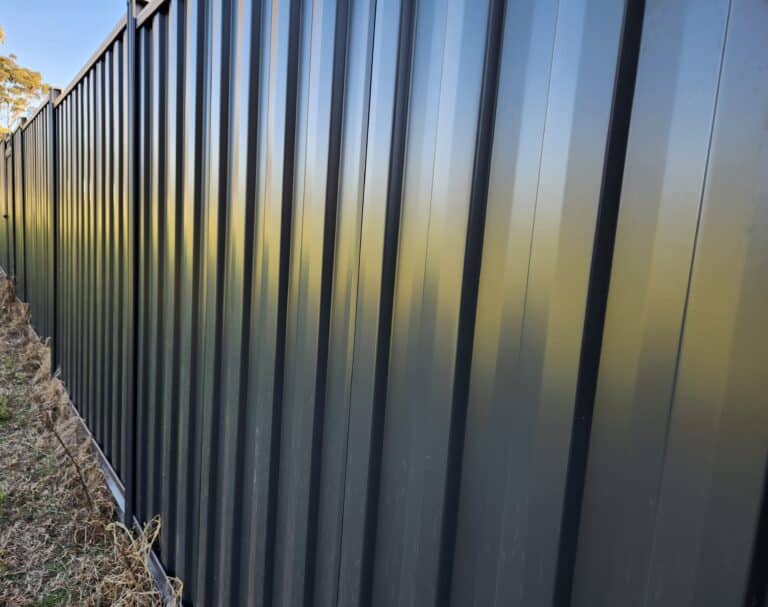
They ask clarifying inquiries regarding limit location. They prepare around accessibility and services. They clarify just how they will certainly confirm fencing elevations. They provide a range that makes sense also to someone that does not set up fences for a living.
And if you see phrases like "we constantly do it the same way" with no reference to the property specifics, that is a red flag. Melbourne tasks are not one-size-fits-all, especially when borders, overlays, and neighbour expectations enter into play.
Final thought, based in experience
The simplest fence jobs are the ones where compliance is dealt with as part of style, not as a difficulty after the reality. When you hire a fence installer Melbourne that really checks limits, considers regional requirements, and develops with craftsmanship standards, the fencing tends to look great, rest directly, and avoid the sort of disagreements that drain time and goodwill.
Take the time to ask the best inquiries, maintain documentation, and do not think that an "existing fence" implies the new one will certainly be treated the same way. If you do that, you wind up with a border fencing that feels solid and uncontroversial, which is what most individuals desire the first day they see it go in.