
Ground Clearance Demands: Practical Specialist Recommendations
Ground clearance is among those fencing subjects that looks straightforward until you're looking at a goal of steel, understanding it's sitting too expensive, too low, or in the wrong place for the site conditions. Then the phone call starts. The property owner needs to know why the bottom of the fence doesn't match the remainder of the area. The inspector wishes to know why the fence doesn't comply. The fencing installer would like to know whose issue it became.
If you're a fencing contractor, a fencing company, or a fencing contractor functioning under a bigger fence company, this is the component of the task where you win or lose based upon judgment, not uncertainty. Ground clearance requirements are not one global number. They vary by town, fencing material, objective, and even just how the home drains after a storm.
What adheres to is the useful technique I utilize on genuine installs, consisting of just how to measure, what to document, and where the common mistakes come from.
What "ground clearance" actually suggests on a fence job
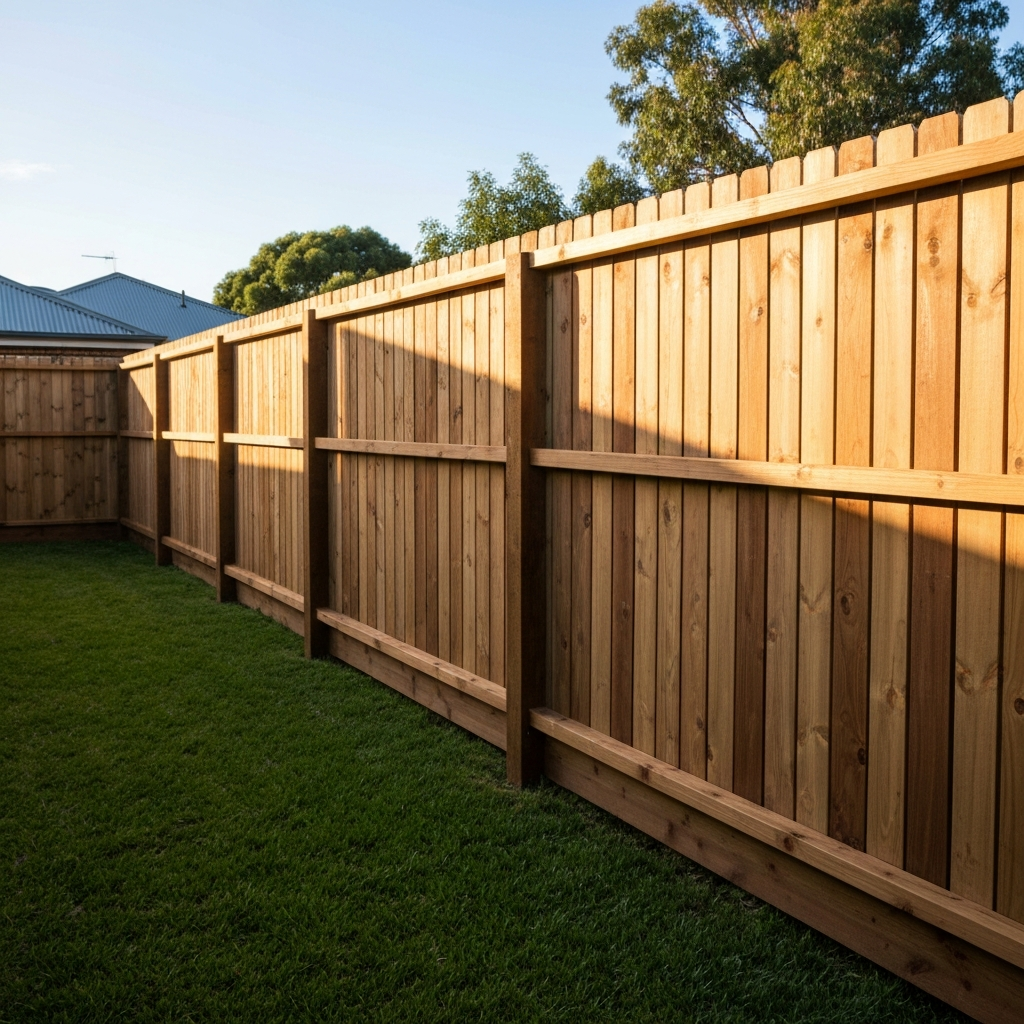
When individuals state "ground clearance," they usually imply the vertical gap between the bottom rail or fence panel side and the finished quality. That space affects:
- How animals and debris relocation under the fence
- Whether water and snow freeze at the base
- Whether mowing devices can pass cleanly
- How the fencing searches in different elevations across a lot
Here's where contractors obtain tripped up. Some websites specify clearance from "existing grade," others mean "completed quality." Some treat quality as a level aircraft, others make use of the actual contours of the property. If you set up a fence presuming the ground is one flat number, you'll get a fencing that looks right in one area and incorrect almost everywhere else.
Also, secure fencing can be designed to "comply with grade" or be "set to a continuous elevation." Those are various philosophies. With a sloped lot, following grade commonly implies the lower void changes from one message bay to the following. Continuous elevation indicates the void adjustments, too, but in the contrary instructions, relying on where the fence is anchored.
The actual motorist: neighborhood codes, HOA regulations, and product design
Ground clearance requirements typically come from among three sources:
The complicated part is that local regulations can be certain about spaces, while HOA regulations can be obscure, focusing on look and "harmony." Some communities require a minimal void so air can flow, others intend to restrict entry under the fence. For pool areas, the typical discussion typically comes to be concerning obstacle stability, however the actual language can still reference the bottom clearance or the lack of ability to pass things under the fence.
Because I can not think your territory, the contractor action is always the same: validate the requirement in writing before you set blog posts. Don't rely upon memory or word-of-mouth from a neighbor who "had the very same problem as soon as." In practice, the distinction between "allowed" and "authorized" can be a tiny phrase in a local regulation or a detail in the plan review checklist.
If you're working as component of a fencing company, get the spec sheet and the permit condition listing from the workplace or the consumer. If you're the fencing contractor, treat that as non-negotiable task readiness. The ground clearance discussion must occur prior to you order materials, because panel and post designs influence exactly how you can fulfill the requirement.
Measuring grade the way inspectors and clients expect
The largest functional mistake I've seen is measurement done when, early, and then never ever reviewed as site work adjustments quality. During the course of a job, you can end up with multiple grades: initial quality, rough quality, completed quality, topsoil added, turf replaced, and in some cases minor improving around footings.
So, exactly how do you measure grade in a way that will not get challenged?
Start by recognizing what the regulation recommendations. If it references ended up quality, you determine to the completed surface area that exists at the time of assessment. If it referrals existing grade at the time of installation, you measure to the quality presently the fence is set. If the regulation is quiet and just claims "ground," you're still better off selecting a consistent referral and recording it.
On sloped whole lots, examiners tend to envision all-time low of the fence relationship to the walking surface under it. That suggests you wish to gauge clearance at numerous points, not just at one hassle-free post bay.
A practical means to do this without overcomplicating the job is to select 3 dimension points on each run: one near the low end, one near the center, and one near the high end. If the fencing is lengthy or the slope is high, include another near the steepest change.
Document those points in a basic illustration or picture set with a tape measure noticeable. If a person later asks why the lower clearance differs, you can show that you planned for the quality and set up within the layout constraints.
The trade-off everyone says concerning: looks versus compliance
Here's the dispute that plays out on nearly every fencing task: customers want a tidy, even-looking profits. Codes and item requirements often want a certain clearance, which can call for the bottom to damage line with the shape of the yard.
For example, in a yard with a gentle slope, you might have the ability to keep the fence visually consistent by establishing the rails to a single aircraft. That typically creates variable voids under the fencing. If the demand is a minimal clearance, variable gaps can still be compliant, but you must ensure the tiniest gap in the run satisfies the demand at its narrowest point.
If the demand is a maximum gap, that's a lot more delicate. Now a constant height fencing can still stop working if it develops a reduced place where the space ends up being too large, or too little, relying on the regulation. Many homeowners assume "closer to the ground is constantly much better." That's not always true. Some criteria desire air movement or intend to minimize capturing, and some items call for details spacing so panels sit correctly and don't warp or gather moisture in such a way that influences performance.
When I'm bidding process as a fencing company or suggesting a fencing contractor on mount preparation, I'm candid about it: the fence can be made to look uniform, yet not at the expenditure of meeting the actual clearance need. If the yard form makes perfect uniformity impossible, I prefer to explain it upfront with a quick dimension view than defend a failed evaluation later.
Common clearance targets by fencing kind, and why you still have to verify
Even though local policies control the last number, the industry has a tendency to gather around practical values based upon feature. Still, you can not treat these as assured conformity without checking your jurisdiction.
Chain link commonly increases less visual grievances regarding tiny spaces, since the mesh and bottom tension are created to being in a regulated means. Personal privacy secure fencing, especially with solid panels and bottom rails, can develop extra aesthetic stress to "bury" all-time low right into the ground or maintain it flush, which can conflict with code language about items passing under the fence.
Also, some fence systems include devices that change clearance actions, such as:
- Bottom tension systems on chain link
- Base rails on picket and personal privacy styles
- Skirting boards or trim kits
- Anti-climb expansions or privacy screens
Those elements can assist you fulfill clearance without excavating or extreme grading. Yet you have to know which system you're setting up, since each has a different "as-built" clearance array depending upon how the blog posts are established and exactly how the base is prepared.
I'll claim it clearly: the number that matters is the clearance that exists after every little thing is completed, including landscape design adjustments. If you leave the dirt soft around the post bases, anticipate settlement. If you mount right before sod goes in, the quality may rise. Clearance shifts are actual, and assessors can gauge after landscaping.
Post setup and base prep work: where clearance goes wrong
If your messages are not established constantly, your fence lower clearance will certainly drift also if your format is best. The reason is easy: message elevation errors convert directly right into rail altitude, which converts into clearance at the base.
On a common task, clearance issues come from four sources:
First is irregular excavation deepness. If one footing sits a couple of inches lower, the entire run can sag. Secondly is irregular backfill and compaction around the base. Uncompacted backfill can clear up after a heavy rain. Third is rail attachment elevation. If you note the top rails properly however neglect to confirm the bottom rail or the panel seat, you can end up with a "looks right initially look" circumstance that falls short dimension. Fourth is quality adjustments during completing. If the customer adds topsoil after fencing installation, the clearance diminishes than intended, which can either be fine or a violation relying on the rule.
In method, the most convenient way to prevent these issues is to deal with clearance measurement as a quality assurance action, not a last-minute check. After the blog posts are established and before rails or panels are installed, validate the message heights relative to a recommendation line. After that validate once again after rails are attached. Lastly, verify after any type of base trim or skirting is installed.
That sequence seems like extra steps, however it stops rework. Remodel on fence clearance is pricey due to the fact that you're changing components that might currently be secured, and you may need to remobilize crews.
Handling slopes without turning your website right into a patchwork
Sloped whole lots need choices. The "finest" approach is whichever fulfills clearance requirements and still permits the fence to look intentional.
If you adhere to grade by tipping heights bay-to-bay, you'll see changing spaces under the fencing. That can be appropriate, but just if the rule is about minimum clearance in all factors or concerning a maximum gap threshold.
If you maintain a consistent fencing altitude, you'll see a transforming void. That's additionally acceptable in some territories, but once more it hinges on whether the policy actions at the most affordable point, the standard, or a worst-case condition.
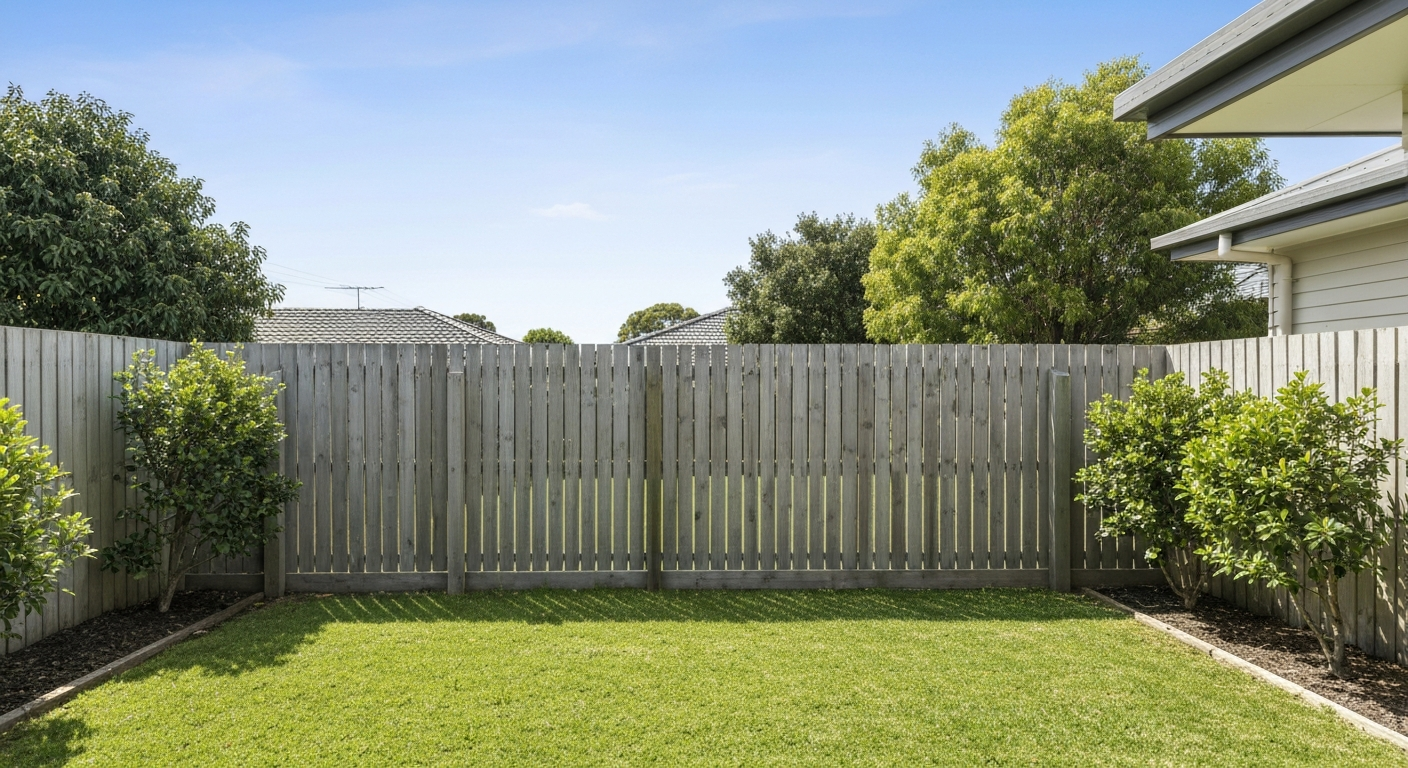
Here's a rule of thumb I utilize when reviewing design alternatives with clients: choose exactly how you will deal with the most awful area prior to you develop the rest. If the worst place goes to the lowest grade, constant elevation might create the maximum clearance, which could go against a maximum-gap policy. If the most awful area is at the highest grade, following quality may cause a minimum-gap offense if panels obtain also low.
A clean means to strategy is to sketch the run with 3 grade factors and reveal what the fencing bottom would certainly do in both techniques. Even a rough sketch with measured offsets aids clients comprehend that a "nice line" may not be the code-compliant line.
Wildlife, particles, and water drainage: clearance is practical, not just legal
Ground clearance isn't only concerning compliance. It affects whether the fencing obstructs animals and whether leaves and particles build up at the base. If clearance is too limited, you can create a particles catch. Leaves and small branches accumulate, and the base comes to be a wet zone. That can speed up deterioration on steel, soften base locations on wooden elements, and make upkeep unpleasant.
If clearance is as well large, you can provide pets an easy route under the fence, and you may still stop working the function of the fencing. On security-focused installs, that issues. On pet barrier tasks, it matters much more. House owners don't want shocks, and neither do you when callback calls get here right after install.
Drainage is the peaceful killer. In a lawn that ponds during tornados, clearance establishes whether water can pass under the fence base. As well reduced and water can merge behind a solid skirting edge or behind a privacy board, boosting freeze-thaw cycles in chilly climates. Too high and water can search the base area, weakening article security over time.
This is why great fencing contractors intend clearance alongside the drainage fact, not just the license language.
Skirting, entrances, and transitions: the places that fail first
Even when the straight runs satisfy clearance demands, changes can break the regulation. That includes gates, where hardware lifts the bottom line and changes clearance. It includes corners, where panels or rails meet and the placement can change. It includes transitions to stonework or preserving wall surfaces, where the fencing base might require to be sealed.
Gate clearances deserve special focus. A gateway is typically mounted on a somewhat different plane than the fence line, and the hinge side can settle in different ways. If the policy has to do with clearance under the barrier, gate fit can be what gets determined at assessment time, not the straight runs.
When you're preparing a project for a fencing company, deal with entrances as a separate clearance problem. Plan the hardware and bottom sweep or lower rail position early sufficient that you're not compelled to "make it function" on install day with concessions you can not defend.
Corners and end messages additionally matter. If you establish end blog posts much deeper or shallower than the interior messages, the bottom line can wander at the change factors. That drift might be tiny, however clearance rules are usually checked in millimeters or inches because they're measurable.
A contractor's checklist that really avoids callbacks
I'll include a short checklist. This is not meant to replace code study. It's meant to maintain you from missing the practical steps that cause clearance failures.
- Confirm whether the requirement references ended up quality or existing quality, and note which typical relates to your permit or HOA documents.
- Measure quality at multiple factors along each run, particularly on slopes, and document the worst-case clearance situation.
- Verify article elevations and rail or panel add-on elevations prior to panels are mounted, after that recheck after installment.
- Plan entrance hardware and lower moves early, because entrances often develop the tiniest or biggest clearance after modification.
- Check final clearance after landscape design or base trim is total, given that topsoil, bordering, and skirting can shift the dimension.
Do those five points and you'll cut your rework rate dramatically.
What to do when you discover you run out spec
Sometimes you uncover the trouble after the fence is primarily done. Possibly the inspector measures a point you didn't prepare for. Maybe the client adds fill and the clearance diminishes listed below what the conventional enables. Perhaps your installer thought the great deal was flat and the grade change at the low end produces an out-of-range gap.
The right solution relies on what instructions the clearance is wrong. If you're managing too little clearance, you might require to increase the fence base, adjust rail heights, or change the skirting technique. If you have too much clearance, you may require a different base therapy, such as an effectively installed lower rail package or skirting arrangement that satisfies the demand without digging the fence into soft ground.
I take care here: "dig it much deeper" is rarely a sustainable remedy. Excavating can weaken article security, produce drain issues, and leave a sloppy base that looks even worse with time. A better strategy is to utilize the fence system's intended systems, like base rails, tensioning systems, or authorized skirting parts developed for that material.
If you're a fencing contractor and you're already committed to a contract, communicate quick and plainly. Program measurements with pictures. After that suggest solutions that protect structural integrity, not simply clearance numbers.
Choosing materials and systems that make clearance easier
This is where professional judgment saves time. If you know your site is sloped, marshy, or likely to have quality modifications after installation, select a fencing system that can handle those realities.
For instance, a personal privacy fence with set panel bases is less flexible on irregular grades if you need constant clearance actions. A fence style that sustains flexible panels, regulated base rails, or skirting kits can simplify compliance.
Chain web link, as a result of its versatile nature, can often be set up with even more controlled base stress and can better adapt to changes in grade. That claimed, lower stress systems are not magic. If the blog posts run out alignment or if the lower tension isn't established appropriately, clearance can still drift.
When I encourage a customer or coordinate with a fencing company, I ask about the website's most likely future: will the lawn be leveled, will sod be installed, will the customer add ornamental rock, will there be ongoing regrading for drain? Ground clearance needs are less complicated to satisfy when you plan for those adjustments from day one.
The paperwork that keeps you risk-free throughout examination or disputes
If a task develops into a difference, paperwork becomes your best tool. Not a hundred page guidebook, just a few clear items.
Take photos at vital phases. Consist of a tape measure in framework. If you have quality recommendation marks, picture those also. Maintain the license and clearance requirement statement available, also if it feels laborious. If you're working with a fencing company and the workplace handles permitting, still make sure the install staff has the relevant demand kept in mind on the work order.
When an inspector gets here, you want to be able to address rapidly: what the need is, where you determined, and exactly how the mounted fence fulfills it at the worst-case points.
This is additionally beneficial for future maintenance. If you ever before require to change a damaged section years later, you'll have a record of what clearance you originally installed.
Two circumstances I have actually seen play out on real jobs
Here's just how it typically goes when ground clearance comes to be the making a decision factor.
One task involved a sloped backyard with a personal privacy fence style that the house owner wanted to "hug the ground." The HOA language was concentrated on appearance and barrier integrity, but it wasn't a simple "flush is enabled" scenario. The fence looked terrific in the first few bays, after that the reduced edge produced a clearance problem that activated a trouble during testimonial. We wound up modifying the lower rail and the skirting method so the fence preserved appropriate clearance without developing a particles trap. The home owner was originally miserable because it stopped the "excellent line," yet after the initial rain and first mowing period, they chose the finished function.
Another job included a gateway shift. Everything on the straight runs measured properly, but eviction hardware transformed the lower elevation. The smallest clearance happened at one hinge side after eviction was changed. The solution was not to hammer the hardware or improvisate with impromptu spacers. We re-set the joint side placement and readjusted the bottom component according to the manufacturer's designated approach. The clearance after that matched the need throughout the gate travel.
These aren't rare tales. They're the typical effect of dealing with clearance as a final assessment information rather than an installment layout requirement.
Final recommendations for fencing contractors and fence companies
If you take one point from this, make it this: ground clearance is a system, not a solitary measurement. It depends upon quality, blog post setting, equipment, landscape design adjustments, and how the fencing is created to act on inclines and at transitions.
Be bold regarding preparation. Request the actual requirement message. Measure at several factors and document the worst-case scenario. Deal with entrances and changes like their very own mini project. And when something adjustments after install, deal with clearance re-verification like upkeep, not like an afterthought.
That's just how you protect your work, your credibility, and your time, whether you're running as a fencing contractor doing installs firsthand or running a fencing company that requires consistent end results throughout numerous staffs and job sites.