Just How Experienced Fence Installers Stop Common Installment Mistakes
Every fence narrates. Some reviewed as clean lines and limited joints, each message dead plumb and every gate moving with a fingertip. Others sag, shelf, or heave out of line by the 2nd winter season. The distinction lives in the habits of the staff. Experienced fence installers do not function faster due to the fact that they hurry. They work quicker since they avoid rework, make the appropriate telephone calls early, and read a website the means a pilot reviews the sky.
I have developed and fixed fences in sticky clay, sugar sand, and rocky ledge. I have gone back to tasks years later on to see what held and what stopped working. The patterns are consistent. The very same avoidable mistakes show up over and over, especially when the task looks straightforward from the visual. Below is exactly how skilled Fence Installers, and the very best Fencing Contractors, head them off before they cost time, cash, and goodwill.
Start with the lines, not the lumber
Mistakes with property lines and energies create the most awful headaches. A fence an inch onto the neighbor's lawn could appear harmless when the blog posts enter. The letter from an attorney says otherwise.
Pros confirm the border with more than a nod and a tape measure. If edge pins are hidden under decades of leaf mold, they bring in a land surveyor or ask the customer to generate a stamped story. When the pins can not be found and a study is out of budget, they established the fence slightly inside the presumed line, after that document that offset on the invoice. That one sentence can save a dispute.
Underground energies are worthy of the same respect. Requiring locates is basic, yet I still see openings dug dogmatic. In older neighborhoods, exclusive energies like watering lines or reduced voltage lights never get marked. Experienced Fence Contractors walk the lawn with the homeowner, searching for sprinkler heads, shutoff boxes, and transformer units. If in doubt, they evaluate dig by hand.
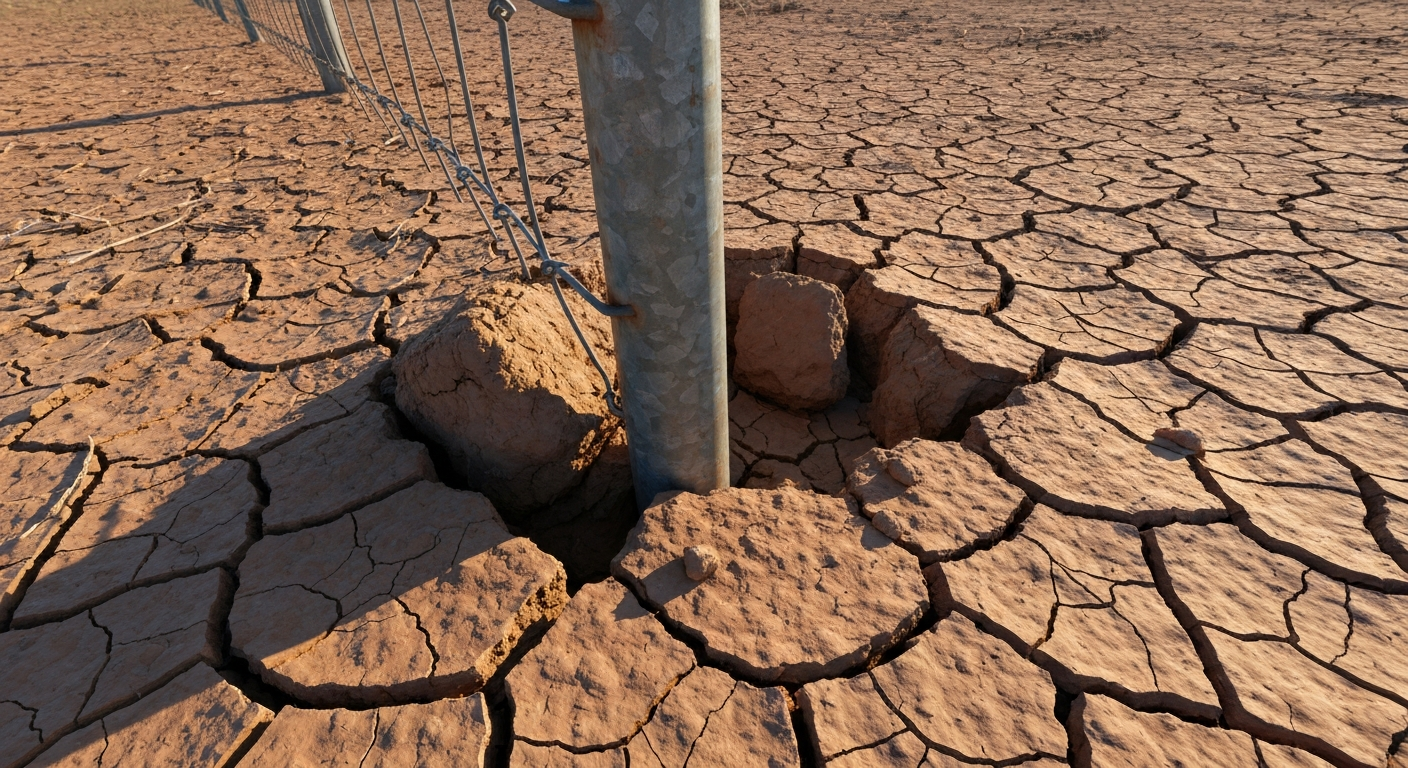
The ground itself has a tale too. A posthole that refuses to drain informs you the dirt is holding water. That will certainly matter when freeze and thaw cycles begin pressing on your concrete. A quick percolation talk to a pail of water can tell you more than a brochure.
Strings, stakes, and the art of completely straight
Hobbyists eyeball. Pros pull string. There is absolutely nothing glamorous regarding batter boards and nylon line, however they are the cheapest insurance on the site. I have watched an expert Fence builder invest half an hour on layout and conserve 3 hours of recutting.
The approach looks basic. Drive 2 tough batter boards beyond each end of a run. Pull a tight string a foot over grade to specify the fencing line, after that determine off that line for post center. For a stepped fence on an incline, set strings at each balcony level so the steps sit where they make visual feeling from the primary viewpoint, not just by a level bubble in your hand.
Edges matter greater than the middle. On a long run, eyes observe curly tops prior to they see a plumbed message. Experienced Fence Installers decide early whether to rack panels to follow the ground or step them to produce crisp straight lines. Racked panels require consistent clearance under the lower rail. Tipped fences need tidy transitions at each post, which implies preparation panel sizes to make sure that you do not end up with a slim filler at the end. A good installer adjusts a few bays by an inch or two as opposed to stick the uncomfortable cut where it is most visible.
Depth is non-negotiable
The best time to deal with a superficial opening is before the concrete collections. Most of the trouble I repair traces back to posts that never reached the ideal deepness. Frost lines vary by area. In cool climates, holes should expand 6 to 12 inches listed below the neighborhood frost deepness. In cozy environments without frost, I still go for at least 30 inches, and much deeper when dirt is sandy or the fencing will catch significant wind.
Hole diameter matters just as much. A typical rule is 3 times the article size. A 4 by 4 message calls for a 12 inch hole. For tall privacy fencings, wind lots climb up quickly. That is where an expert Fencing Contractor grabs larger grounds and even helical overdo inclines and soft soils. I have actually driven stacks in backyards neglecting lakes where a regular footing would creep downhill over a few periods. The extra structure work looked like excessive at the time. It conserved a phone call back.
Concrete that breathes and drains
There is a strong misconception that concrete need to constantly mushroom at the top. If you live where water stands, that mushroom comes to be a saucer. Freeze pops that plug out like a cork. Experienced Fencing Installers bell the bottom of the hole wider than the leading to stand up to uplift, after that crown the last inch of concrete to lose water away from the post. When making use of wood, they typically quit the concrete an inch or more listed below grade and backfill with crushed rock and soil to maintain the post base dry.
Dry mix versus damp mix is an old argument on task websites. I utilize both. For tiny jobs with great drainage and heat, I have set articles with completely dry bag mix and allow groundwater and rain do the curing. It functions when you tamp generously and safeguard the opening from washouts. On inclines, in clay, or for entrance blog posts, I choose a damp mix, vibrated with a bar to get rid of spaces. In either case, the rule stands: do not build on blog posts until the concrete has actually set enough to stand up to activity. In modest weather condition, that is usually the following day for rails, and 48 to 72 hours before hanging a hefty gate.
Wood that lasts by design, not wishful thinking
Nothing defeats the odor of fresh cedar, yet not all boards come equivalent. Kiln dried out cedar takes tarnish equally and stays more accurate. Environment-friendly pressure treated yearn intends to twist as it dries. An experienced Fence Installer frames with the straightest, driest lumber offered and orients crowns constantly. They pick boards with similar dampness web content for each panel so shrinkage voids look uniform as opposed to jagged.
Fasteners make or break a wood fence. I have pulled handfuls of rusted screws out of fencings just five years of ages. Coastal air and yard chemicals ravage affordable hardware. Use hot dip galvanized or stainless, and suit steel kinds to avoid galvanic rust. When the budget plan enables, consider ring shank nails for pickets to resist pullout as boards move.
Finishes are not a deluxe. A clear penetrating oil or a high quality stain within the very first period more than increases the life of many wood fencings. Do not trap moisture by layer a wet fencing. With stress treated lumber, I wait 2 to 3 months in summertime, much longer in springtime, then inspect by spraying water. If it beads, wait. If it soaks in, stain.
Vinyl without blowouts
Vinyl looks very easy up until the wind strikes. Panels that snap or rails that pop out often trace to weak articles, superficial holes, or sloppy pocket links. Skilled Fencing Builders set plastic posts deeper than several makers suggest in high wind areas and reinforce entrance blog posts with aluminum inserts. Bed rails must lock safely in the posts. If you can draw a rail out with your hand, it will leave on a February night.
Temperature swings relocate plastic. Leave proper growth spaces, and adhesive just where the design calls for it. I have actually seen caps divided because someone hammered them on tight at noon in July. A dab of plastic adhesive at two edges, not 4, protects the cap and lets it breathe.
Chain web link that stays limited and straight
Chain web link obtains dismissed as practical, but a clean line of textile riding a laser straight leading rail festinates. The blunders are foreseeable. Blog posts not in line trigger the fabric to twist. Loose tension bands turn the fence right into a net. Entrance frameworks sag when joints sit also close together.
Veteran Fence Contractors stretch material with a come and a fence puller, not with arm stamina and hope. They sight the leading rail prior to tying off, then link off every 12 to 18 inches with light weight aluminum connections that will not rust-weld. Bottom stress cable or a lower rail maintains pet dogs from curling their way out. For sports areas and high safety and security, bottom rail is not optional.
Gates obtain additional idea, or they obtain rebuilt
If there is one location to overbuild, it is eviction. The typical mistake is treating an entrance article like any kind of other. A 4 foot pedestrian gateway sees a lot more cycles and side lots than a full panel of surround a year. I have actually seen 6 foot dual drive entrances held on undersized messages fold inward like a publication during the initial windstorm.
I overdig and overconcrete gate blog posts, after that set hinge articles plumb and dead solid. An angled support in eviction frame runs from the lower hinge to the leading lock corner. Equipment matters. Round bearing rest on hefty gateways, self closing hinges on pool rooms, and properly sized latches that do not rely on rubbing to stay shut. If the hinge blog post even thinks of moving, sleeve it with steel or include a secondary footing tie.
Quick list I go through before hanging a gateway:
- Hinge and lock posts are deeper and bigger diameter than line posts.
- Concrete is healed sufficient to hold a man leaning full weight on the post.
- The gateway framework has a real angled brace and square corners.
- Hardware matches the atmosphere, stainless near salt or pools.
- The opening is trued to the final quality with frost heave clearance considered.
Slope, actions, and the eye test
A fence on a hillside demands greater than the level in your pocket. Racked panels follow the ground with rails angled, keeping a constant gap under the bottom. Stepped areas develop terraces, which look sharp when each step aligns with an aesthetic sign like a patio line or a preserving wall surface. The wrong step is to allow panel heights roam. In areas with different grading, I invest as much time on sightlines from the street and patio as I do on raw feature. The objective is that the fence looks right from the places people in fact stand.
At changes, avoid unexpected modifications in bottom gap that welcome animals to scoot out or accumulate leaves into drifts. In clay dirts, a lower gap of 2 to 3 inches is much safer than 1 inch to maintain rot off timber and let water move.
Planning for wind and weather
Wind turns a privacy fencing right into a sail. A run that seems fine in calm air will certainly rack when the initial nor'easter shows up. Skilled Fencing Installers use narrower pickets or board on board styles to hemorrhage pressure in gusty hallways. In tornado or storm zones, uplift and lateral load materialized engineering troubles. That is where a leading rail, steel blog post stiffeners, or much deeper, belled footings pay for themselves.
Weather during installment matters as well. Setting posts in saturated clay is a newbie error. The concrete will certainly never ever bond right. In wintertime, working above cold by mid day and shielding openings overnight with insulation coverings protects against washouts and frost jacking while the mix cures.
Hardware and fasteners, picked with purpose
The bolt aisle is a trap for the laid-back contractor. Galvanization levels vary hugely. Electroplated screws blink rust within a season in coastal air. Hot dip galvanized or 304 stainless is the standard near salt, 316 stainless for hefty exposure. On light weight aluminum, use suitable finishings or stainless to prevent galvanic pairing with copper treated lumber.
Hinges and locks are not simply weight rated, they are cycle rated. A light duty hinge that sees 20 cycles a day will certainly be performed in a year. I keep a ledger of what holds up in different climates. The brands are lesser than the specifications and area performance.
Respecting code, particularly around pools
Pool obstacles are a code magnet for good factors. Self closing, self latching gateways with release systems a set range above grade are standard in a lot of jurisdictions. Straight rails can not create grips. Spacing matters. A reliable Fencing Contractor recognizes the neighborhood inspector by name, sends a straightforward illustration, and welcomes an early go through rather than a late argument.
Even away from swimming pools, elevation limits, corner exposure near driveways, and products in historic areas can close a task down. Allows rarely assist your schedule, however a stop work order damages it.
The next-door neighbor factor
A lovely fence that infuriates the neighbor is still an issue. I have strong point of views here. Share the layout beforehand, especially on limited obstacles. Clear up which side encounters out, since some communities call for the finished face toward the street or next-door neighbor. Deal to establish the line a couple of inches inside and divided the expense of a shrub display if sights matter. A 10 minute conversation defeats a complaint to zoning.
For shared residential property fences, composed contracts protect against poor memories. I record who pays what, that has the fencing, and who maintains it. A short email thread conserved one customer from having to change a section a neighbor cut to drive heavy devices through.
Crew rhythm and high quality control
The finest Fence Contractors run a job like a good kitchen. Everybody understands their terminal. A single person sets lines and marks facilities. One more drills openings and forms grounds. A third blends, collections, and plumbs. After that rails and panels go in. That rhythm stays clear of the blunder where a worn out installer eyeballs the last 3 messages and calls it good.
I keep a brief punch list on every site. Check plumb at two faces of each post. Check rail elevation at edges and midspan. Sight the top for a wave. Confirm bolt pattern on the very first panel and match it through the run. Confirm gateway swing instructions with the customer prior to drilling hinge openings. That 5 min huddle eliminates the most usual errors.
Materials matched to the site, not the catalog
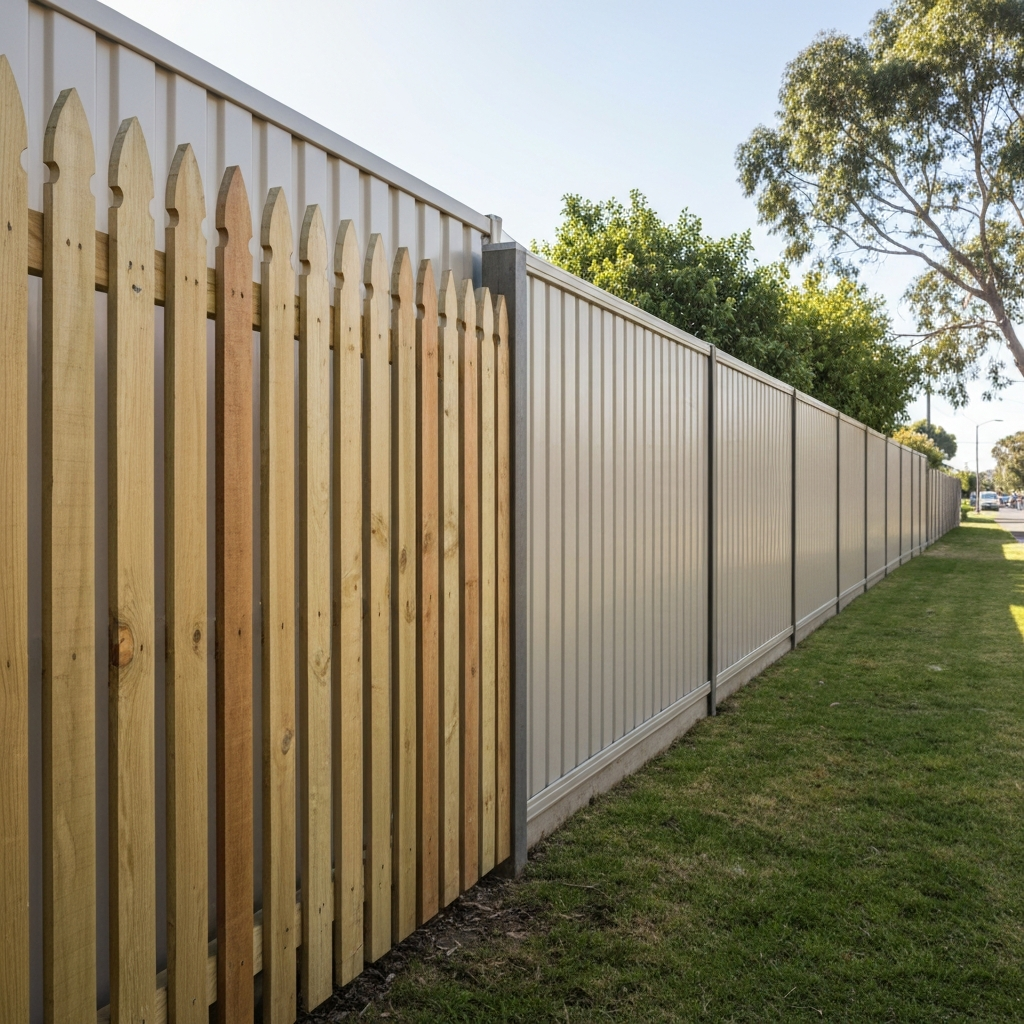
Great Fencing Builders do not press one material for each yard. They look at your house, the soil, the wind, the pet dogs, the budget, after that select what fits. Wood softens a cottage and forgives uneven grades. Vinyl radiates in reduced upkeep, yet it demands a solid foundation. Light weight aluminum looks improved and fulfills pool codes cleanly. Steel chain link with black finishing practically disappears around a back area. Composite infill with metal posts can silent a hectic road when you need mass and longevity.
Each selection has compromise. Wood needs stain. Vinyl moves with warm. Aluminum dents if abused. Chain link can look practical unless dressed with an attractive top rail or personal privacy slats. The straightforward Fence Installer describes those compromise in advance, costs the entire life, and develops to the website, not just the sale.
Little information that separate pros from patch jobs
The bottom edge of a picket that gets rid of the ground by a regular margin. Bed rails centered on blog posts so fasteners bite deep timber, not sides. Concrete tops sloped and concealed. Caps right and glued sparingly. Post spacing regular within a quarter inch over long runs. Those information require interest, not additional budget.
Sound carries through fencings. If privacy is the objective, board on board beats straightforward dog ear pickets. For noise, mass issues more than height, so a heavier infill with marginal spaces helps. I have used staggered pickets on dual rails to damage line of vision and muffle road chatter. A light-weight plastic personal privacy fencing will certainly not quiet a hectic road by itself.
Pets call for special planning. A beagle just needs a fist sized gap to begin excavating. Crushed rock skirts, buried wire, or a lower rail minimizes that lure. For large pets, elevation alone is not nearly enough. A grip cost-free style with minimal horizontal members on the inside helps.
Repair wisdom that notifies brand-new builds
Years of repair work teach humbleness. I have actually drawn posts that deteriorated from within because someone put concrete flush to the top and let a divot collect water. I have actually replaced lots of entrances that dragged since joint screws beinged in end grain. I have actually sleeved beautiful cedar messages over steel cores where a layout demanded timber however the soil would not cooperate.
Those lessons inform new job. When I set up wood messages today, I maintain the timber over the damp zone and design drain at the base. When I need to satisfy a look and a lots, I integrate materials, steel where it matters and timber where it shows. When a customer desires a hefty double entrance, I guide them to a center decline rod, wheel support on lengthy spans, or divided the opening into unequal fallen leaves so day-to-day use indicates much less mass on the hinges.
A concentrated routine for an issue complimentary install
Experienced staffs run a foreseeable series. Action two times, dig when. Overbuild the anchors that take one of the most misuse. Line up for the eye, not just the level. Protect wood from water. Pick hardware for the environment. Confirm code early. Communicate with neighbors. Record the line. After that return after the first tough rainfall to inspect settling and make small tweaks before small problems end up being large ones.
If you are working with, look past the advertising and marketing. Talk to referrals 2 or 3 years out. Ask exactly how the fence looks after a winter season, just how eviction swings today, and just how the contractor dealt with a small concern. The very best Fence Contractors, whether they call themselves a Fencing Installer, Fence builder, or Fencing Builder, have a record of doing the dull components best each time, which is what keeps a fence right with tornados and seasons.
When rate matters, technique issues more
There is a temptation on tight timelines to reduce edges. Avoid the batter boards, eyeball the grade, set shallower openings, hang the gate prior to the concrete cures. Every one of those shortcuts has a tendency to set you back two times what it saves. The quickest installs I have actually run were likewise one of the most careful. Clean layout caused tidy cuts. Plumb articles made rails break in without fighting. Well chosen hardware indicated no runs to the store. The routine held since the construct held.
What homeowners and residential or commercial property supervisors can check
For clients that like to be included without hindering, a few inquiries inform you a lot concerning the team on your site. Are they pulling strings for design or walking with spray paint alone. Do they speak about frost deepness and dirt, not simply direct feet. Are gate articles larger and much deeper. Do they decline twisted boards or mount whatever came off the vehicle. Are they using warm dip galvanized or stainless hardware where it counts.
These are easy tells. Good installers, the kind of Fence Contractors you wish to keep call, currently have responses. They are not presuming. They have marks from jobs where they learned the hard way, and they adjust.
The long view
A fence is not just lumber and screws. It is a portable with weather condition, soil, pet dogs, and individuals. It assures privacy, safety, or aesthetic appeal, and it needs to keep that guarantee for periods, not weeks. Experienced Fence Installers earn their pay where blunders never ever surface area. Straight lines that stay right. Gates that swing and latch whenever. Footings that do not heave. Products picked for the lawn, not the catalog.
If your fence checks out like that tale 5 years from currently, the team did the peaceful work right. That is the distinction between a fence you forget and one you curse. Which is what sets experienced Fencing Contractors and Fence builders apart, project after project.