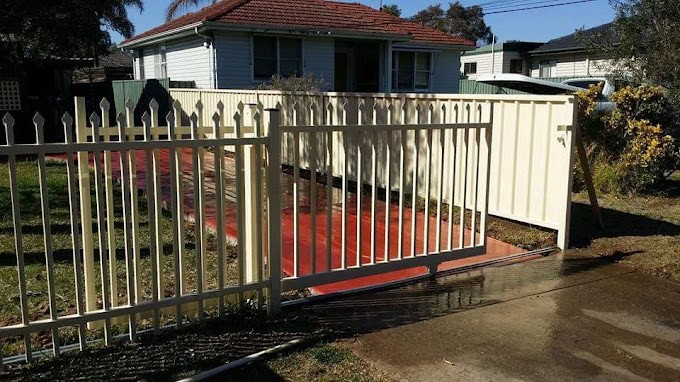
Just How to Take Care Of Fence Disputes
A fence dispute is never almost boards. It has to do with the line you assume is your own, the neighbor you did not plan to fulfill personally, and the little collection of decisions that can turn a weekend irritation into months of friction. I have stood at the edge where 2 buildings fulfill and enjoyed great purposes drain out of the air, one debate at once, up until every person starts chatting like legal representatives also when no one is using a tie.
The excellent news is that many fence problems are understandable. The even much better information is that you can make them understandable much faster by transforming how you come close to the trouble. Instead of leading with anger or with "I make sure I'm right," you desire a field-tested mix of calm documents, practical dimension, and regard for the shared truth that people sometimes misremember boundaries.
Below is just how I handle fencing conflicts in the real world, consisting of the components that seldom get reviewed, like how to talk with a neighbor that currently bought the materials, how to prevent paying twice, and when it is smarter to stop briefly building and construction and collect proof first.
Start like a surveyor, not a spectator
The first few minutes determine the temperature level of the entire scenario. When a neighbor challenges you, they frequently really feel either obstructed or threatened. In some cases it is about a gate. Occasionally it has to do with something that looks "clearly" incorrect, like a fence that appears to elbow in by a few inches. Even when the fence is genuinely on their side, the next-door neighbor might still be distressed because it minimizes their control of the yard.
I try to start with a concern that lets the other person save face. Something like, "I intend to obtain this sorted based on the actual line, not assumptions. Have you seen the survey, or do you recognize where the pins are?" That change matters. You are not implicating, you are accumulating facts.
Then I do the peaceful work:
- I look for physical border signs that can be confirmed, like survey markers, iron rods, or irreversible monuments.
- I note what feeds on both sides, including any kind of gates, messages, or fencings that may have been relocated before.
- I take photos from multiple angles, including wide shots that show landmarks.
If the dispute started after new building and construction, I ask just how the fence was placed, whether there was a stake line, and whether a fence company was entailed. Some disputes take place due to the fact that a service provider measured from an assumption. Others happen due to the fact that the home was partitioned long back, and the "open secret" version of the border got duplicated so typically that it came to be belief.
Even if you feel certain the fencing is wrong, stand up to need to improvise a disagreement. Rather, act like you are preparing a situation file. It alters the discussion from feeling to evidence.
Get the realities that in fact work out it
Here is where people usually fail: they gauge when, they approximate range, they argue regarding whose tape measure is better, and afterwards no one can describe why the line is what they claim.
A trusted boundary story generally has 3 pieces: a recognized lawful line, a technique to recognize it on the ground, and proof that the physical fencing suits or disputes with that line.
If you have not already, request copies of:
- a current land study (or older survey linked to the exact same legal description),
- any plat documentation from the community, and
- any previous agreement in covering fence placement.
If your next-door neighbor declines to share records, you are not vulnerable. You can still acquire your own study info. The secret is to focus on verifiable actions rather than attempting to out-argue someone.
One time, I reacted to a neighbor's insurance claim that "the fencing has actually always been right here." That appeared convincing up until we discovered a study from a prior sale that revealed the fencing was off the line by a number of feet in that area. The next-door neighbor had watched it mean years, yet a fence can be incorrect for years and still really feel "regular." As soon as the survey existed, the entire conflict moved from opinions to a map.
Walk the line meticulously, and do not depend on memory
Walking property borders can feel straightforward till you struck the real world: old landscaping, thick vegetation, gravel paths, and fencing lines that have actually sagged or been restored with time. A crooked fence does not always imply a wrong limit. It can suggest a fence got repaired without re-anchoring to the legal line.
As you check, maintain your eyes on the clues that decrease uncertainty.
- Are there corner monuments or pins at the ends of the disputed segment?
- Does the fencing straighten with well-known right of way attributes or easements?
- Is the ground disrupted in a way that recommends a fencing was moved?
The "adventurous" component of this stage is just how physical and stubbornly detail-oriented it obtains. You are out there with a notebook, a phone cam, and occasionally a friend that can keep an eye on measurements while you chat. If the weather condition misbehaves, you go anyhow. A fencing dispute in the rain still counts, and wet ground can hide offsets you will certainly otherwise miss.
If you and your neighbor disagree regarding dimensions, do not escalate by repeating the very same argument. Instead, agree on one dimension technique and one recommendation factor, preferably based upon survey details. If that can not happen, you treat your own measurements as sustaining proof, not as the last word.
Decide early whether to stop briefly work
If the disagreement is taking place throughout a brand-new fencing mount, your next action is not "complete strong," it is "stop till you recognize where you stand."
A new fencing can produce a larger trouble also when the result is proper. If the fence is constructed in the wrong area, eliminating it later is costly. If you construct first and say later on, you additionally risk being seen as the aggressor.
I have actually enjoyed a circumstance go sideways due to the fact that one side kept functioning while the other side was trying to get a survey appointment scheduled. The fence company sent crews, the job began, and by the time documents surfaced, the fence currently existed, complete with new articles that had shifted the discussion into "that spent for what."
A tranquil pause protects every person's choices. Even a two-week hold-up can stop months of dispute, depending on exactly how swiftly a property surveyor can come out and just how cooperative your neighbor is with access.
If you need a functional manuscript, try this: "I'm not aiming to obstruct the job. I want to validate the line prior to we go further, so we do not renovate anything. If we verify it's all fine, we can maintain moving quickly."
Use documents that holds up under stress
A fencing dispute is among those rare conflicts where you could in fact require records. Not always for court, but for arbitration, an insurance coverage case, or a composed arrangement that prevents the very same issue from returning next season.
Photographs are handy, however they are not nearly enough on their own. I like documents that shows context, not simply close-ups.
Take wide-angle images that show the fence segment about repaired factors like driveways, sidewalks, building edges, or energy posts. Likewise catch any type of markings that suggest survey factors. Then take close-up shots of the fencing equipment: post placement, string line perceptions if they exist, and gateway locations.
If your jurisdiction has regulations regarding secure fencing, include a document of any kind of pertinent notices, emails, or letters. Maintain the tone valid. You are developing a paper trail that ought to sound like you would want to read it if you were the judge, the moderator, or the building manager.
Talk to your neighbor like you are managing risk
This is the component many people skip because it really feels "soft." It is not soft. It is danger management.
When you speak, you want to decrease three risks at the very same time: acceleration, misunderstanding, and lost cash. Rise makes everybody dig in. Misconstruing makes you suggest regarding the wrong thing. Wasted cash comes from ordering products or paying installers prior to the border is confirmed.
I have located that the most efficient discussions have two attributes. First, they are short at first. Second, they finish with a concrete next step.
A valuable strategy is to ask what your next-door neighbor wants, particularly. Not "do you assume it's wrong," however "what would you like to take place now?" Sometimes they desire the fencing relocated. Often they desire eviction re-hung. Sometimes they merely want peace of mind that the fencing is not being utilized as leverage.
Then you use a step that does not threaten them. Example: "If we can obtain a survey that shows the line, we can both agree on how to readjust the fencing. If you have a survey, bring it. Otherwise, I can get one scheduled for my side and we can share what we discover."
If a fence company is involved, bring that right into the discussion thoroughly. You can state, "I'm open to making use of the same fence company for an option, yet only when the line is validated." That keeps the supplier from coming to be a tool in the argument.
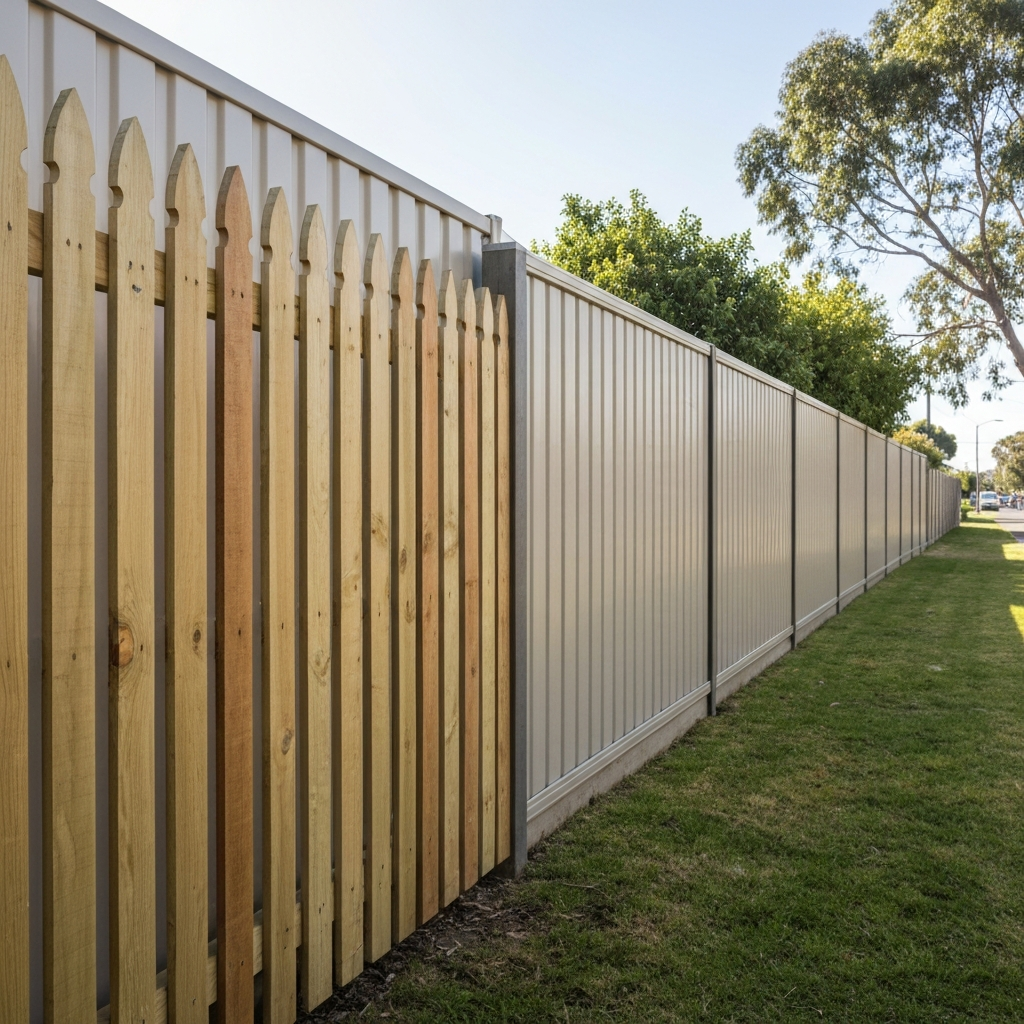
Boundary talk commonly conceals easements and shared access
One surprise in fencing conflicts is that the limit line is not the only issue. Also when the fencing is positioned appropriately about the lot, easements can produce conflicts. An easement may permit utility accessibility or shared water drainage. A next-door neighbor might be disturbed not because the fence is on the incorrect building, however due to the fact that it obstructs accessibility that the easement was implied to preserve.
Also, sometimes there are common drives, street accessibility, or videotaped agreements concerning upkeep and gate placement. Those are not constantly obvious by eyeballing the land.
You do not require to become a legal representative overnight, however you do require to check whether there are constraints attached to the home. If there are, you follow them also if the fence line is practically appropriate. Or else you could win the limit fight and still lose the useful access fight.
When a fence company remains in the center, secure yourself
A fence company can be practical, especially if they record measurements and placement clearly. They can likewise accidentally aggravate conflicts if they rely upon presumptions rather than confirmed boundary references.
I look for a few signs of an expert method:
They ask exactly how the boundary will be recognized, not just "where do you desire it." They take measurements from recognized recommendations and can clarify the method. They provide to coordinate with a land surveyor if stakes are uncertain. They will not disregard worries since "everybody does it this way."
If you are hiring a fence company during a conflict, insist on clarity in covering placement duties. You want to prevent a circumstance where the business sets up to "the best of their capability" and you later say concerning whose error it was.
If you already employed a firm and work started, request their documents. In most cases, they have pictures, measurement notes, and a strategy showing where messages were established. That proof can make clear whether the fencing was positioned from a study, from residential property edge presumptions, or from an informal offset.
Here is a short list I utilize to keep the procedure from becoming finger-pointing.
- Confirm whether a study or recorded plat exists and where the border factors are located on site.
- Ask the fence company what recommendation points they made use of for dimensions and article placement.
- Require a created extent that states who is in charge of positioning accuracy.
- Document site problems and fence installation actions with pictures and dates.
- Pause added work if the disagreement can not be dealt with before more messages are set.
Keeping this checklist in your head maintains conversations effective. You are not presuming, you are steering.
Mediation can work when both sides want peace, not a trophy
Sometimes the most effective remedy is not a full rebuild and not a court filing. Arbitration can be the bridge that turns "I believe you're incorrect" into "we can deal with a workable outcome."
Mediation works best when both parties agree on a few standard truths. They concur the disagreement is fixable. They settle on a process, like getting a study. They agree on a short-lived plan while facts are collected, like leaving the existing fencing till a replacement strategy is confirmed.
What mediation need to not be is a cinema of humiliation. If somebody gets here figured out to win by quantity, arbitration often tends to stop working. If a person gets here all set to cooperate, it can succeed surprisingly fast.
I have seen neighbors reach an agreement after they both saw the same evidence. A survey showing offset messages, a clear image set, and a shared plan for rebuilding can silent the anger that accumulated over weeks.
Decide on a resolution that matches the actual problem
People usually presume a fencing disagreement has one solution: move the fencing. Actually, there are multiple results relying on what went wrong.
If the fencing is somewhat misaligned however the neighbor still has the useful accessibility they require, it could make sense to readjust the sector, not the entire border. If the fence blocks an easement, you could maintain the border placement however revamp eviction or sections to preserve access.
Sometimes you also need to account for the sort of fencing. A wooden fence that has actually worked out with time may not reflect the initial positioning. A vinyl fence mounted with blog posts set at specific depths may stay secure yet not match the line. Chain-link fences can be taut enough that little offsets matter less visually, while personal privacy fencings can feel "aggressive" even when only an inch or 2 is involved.
And often the "best" lawful result is not the most mentally practical result. You might be right about the border however still pick a concession that conserves connections. That choice is personal, but it ought to be educated, not impulsive.
When I examine options, I ask two questions. Will this protect against the dispute from returning? And will it reduce danger for both sides, consisting of the risk of costly rework?
Handle repair services in different ways than brand-new construction
Repair conflicts are challenging due to the fact that they can be unpleasant. Possibly your fencing section got knocked down by a storm. Possibly an edge blog post is leaning. Possibly you changed a harmed board and the neighbor firmly insists the entire area was incorrect to begin with.
In repair work situations, I recommend being extra careful about scope. If you change only the damaged piece, record what you did and maintain pictures of the problem before and after. If the neighbor disputes positioning, pause and verify boundary facts before broadening the work.
New building, by contrast, normally offers you a cleaner opportunity to straighten properly from the beginning. That suggests you spend more up front in confirmation, also if it sets you back time.
A sensible means to think of it is that repair services need to not end up being "quiet substitutes." If you are mosting likely to alter the positioning, not simply recover it, treat it like a new setup and handle it with the same level of limit verification.
Stay calm regarding height guidelines and "style" arguments
Fence disagreements are occasionally regarding elevation, not place. Local regulations can restrict just how tall a fencing can be, and those policies vary by zone and in some cases alongside the property. Also if the fence remains in the right spot, the neighbor may still object since it breaks elevation limitations or develops a visual obstruction.
Another shock is "style" debates. Personal privacy fences can seem like supremacy also when they are within legal parameters. Neighbor characteristics matter. You may be practically appropriate, however a taller-than-agreed design can poisonous substance the relationship for years.
If elevation is part of the disagreement, ask to see the relevant policy or the regional need your next-door neighbor believes regulates the scenario. Then contrast it to your own plan. If you require a license, check whether one is required and whether your fence company is filing documents or counting on you to do it.
The trick is to treat height and positioning as separate concerns. Clarify which one is the real trouble, otherwise you wind up bargaining the incorrect thing.
A fast word concerning legal threats
Some fencing conflicts include hazards like "I'll file a claim against" or "You'll be sorry." Even if a danger is vacant, it still enhances stress and makes teamwork harder.
My method is not to disregard legal fact, but additionally not to be bullied into panic decisions. If a person intimidates legal action, I focus on what I can regulate: documents, practical offers to investigate, and a willingness to stop job if needed.
If you believe the limit is clear yet the next-door neighbor is making needs, you can propose a survey as the neutral reference. If the neighbor declares you trespassed yet can disappoint evidence, you request their papers and you arrange your very own verification.
In many cases, the volume of hazards goes down when truths go into the conversation. Not always, but typically enough that it deserves staying steady.
Edge cases I have actually seen greater than once
Fence disagreements enjoy edge cases since they make use of obscurity. Here are a couple of scenarios that on a regular basis appear, and what I try to find when they do.
Sometimes the fencing line was developed using an old study that does not match the present residential property limits as a result of later on corrections or adjustments. Occasionally the land is in a class where the plat keeps in mind a certain fence positioning, however homeowners interpret it loosely. Occasionally a fencing was relocated during landscape design years earlier, and no one recorded it.
Another typical side case is the "shared fencing" situation, where both neighbors make use of the same structure and each assumes it rests on their limit. If the fencing belongs to both events, maintenance contracts matter. Who pays for repairs, for how long repair work take, and exactly how choices are made can be more crucial than the specific positioning, especially if the fence was set up years ago.
When you struck these side situations, you prevent the temptation to win. Instead, you aim to clarify what exists now, what the initial records say, and what an arrangement requires to cover for the future.
How to stop a fence conflict next time
Once you are with the mess, you can avoid the exact same pattern from occurring again, for you or your future self.
I suggest you maintain a little "boundary documents" for your home. It can be as straightforward as a folder with survey PDFs, plat images, any kind of written contracts with neighbors, and a document of fencing installation dimensions. When a next-door neighbor conflict pops up later on, you are not starting from zero.
Also, if you employ a fence company, deal with documentation like component of the task, not an optional added. Ask for created placement techniques, recommendation factors used, and photos of stake-outs if they exist.
Finally, select excellent interaction behaviors prior to there is tension. A fast check-in prior to building begins can stay clear of the "we simply learnt today" shock. That is where most flare-ups start, in the space in between scheduling and notification.
What an excellent resolution resembles on the ground
A great resolution is not a speech and it is not a court room win. It shows up. You see posts in the appropriate place. You see the gate clear the proper accessibility. You see the fence installed with appropriate placement so it does not droop right into the disagreement again next year.
It also has a human measurement. Both sides really feel heard. Both sides have evidence in hand. Both sides recognize what was decided and why.
That tail end is the component people avoid. When arrangements are obscure, conflicts return with brand-new anger. I prefer end results where the course is recorded: which study was utilized, what counter existed, what adjustments were made, and who spent for what. Also if you never ever utilize those details in court, they stop disagreements from reanimating themselves during every weather event.
Fence disputes are stressful, yet they are also an opportunity to rebuild a neighbor partnership on firmer ground. You might not always get the result you initially required, yet if you deal with the situation like a gauged area examination rather than an individual attack, you will typically land somewhere much better than "frozen animosity" on a shared line.