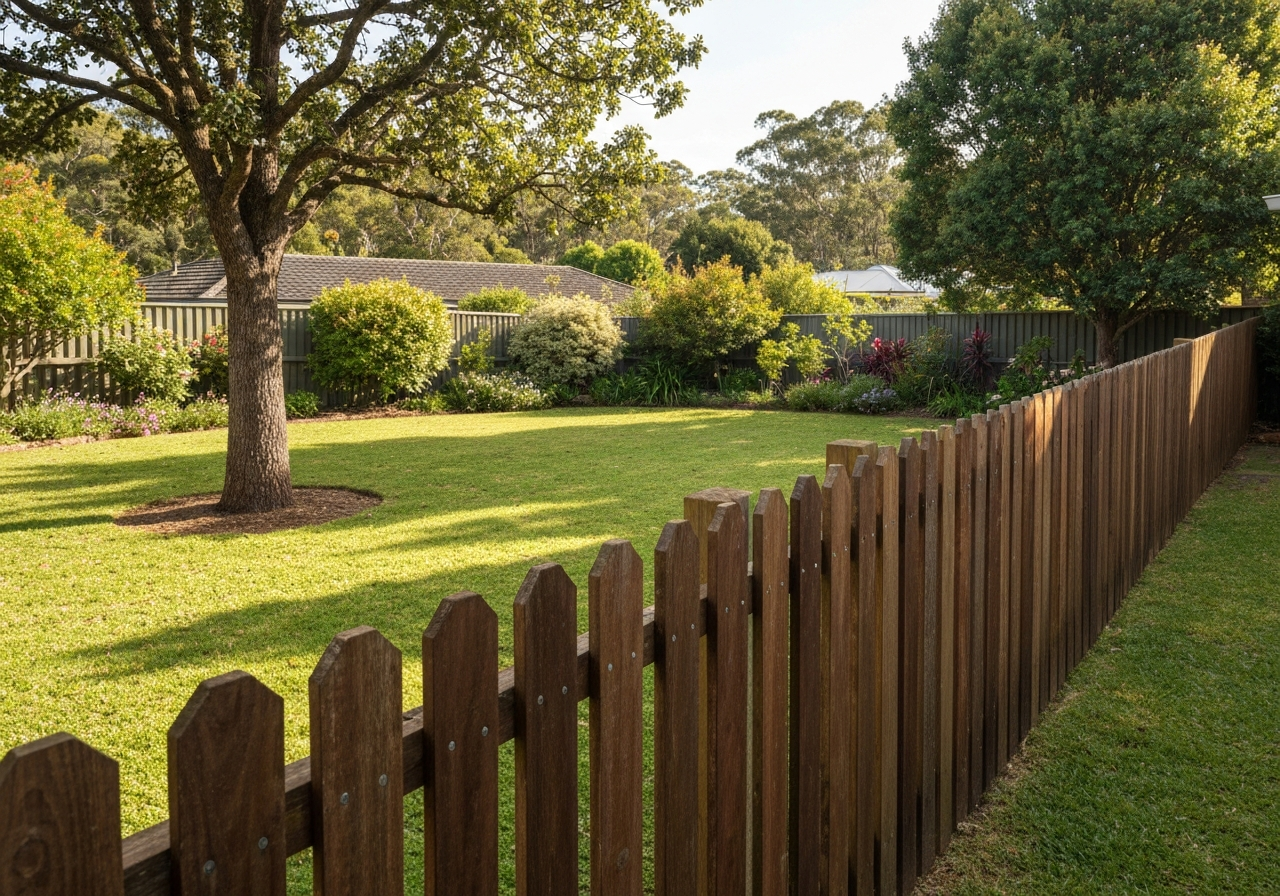
Fence Company Tips for Clean Edges and Finishes
A fence is one of those work where the information do the talking. You can construct something tough, make use of the best wood or steel, and still end up with a fencing that looks "off" because the sides aren't crisp, the rails don't rest real, or the surface obtains applied as well aggressively in the incorrect places. For many years, I have actually seen the exact same issues repeat, despite excellent materials and truthful effort.
If you are working with a fence installer, contrasting fence contractors, or you are the one on website trying to obtain a clean look the very first time, this is your sensible overview. The emphasis is on fence company pointers that lead to tidy edges and finishes you can cope with, even after the wind, rain, and sunlight do their work.
The clean-edge way of thinking: determine twice, then set once
When people say they want "clean sides," they frequently indicate one of three things.
They want fencing boards that line up with no roaming gaps.
They desire articles that look right from the footpath, not just square in a fast check.
They want the top side to look intentional, not like it was rated when the line obtained messy.
That last part matters greater than many clients realise. A fence can be flawlessly square to a tape measure, yet if the pickets or rails comply with the ground inadequately, the whole run will certainly look crooked from a distance. The distinction is discipline on the design phase, specifically when the site is not flawlessly level.
I begin by walking the line with the home owner (or the website foreman). We make a decision where the "façade" is, whether there are sightlines from the driveway, and whether the neighbor side matters as much. That straightforward discussion avoids the most common regret I hear later on: "We didn't see it would certainly appear like that from the street."
Start with the best reference line, not the local post
A clean finish begins prior to you reduced a single board.
On most jobs, the temptation is to make use of the very first mounted blog post as the referral for whatever else. If that initial article is slightly out, you can wind up going after the problem down the run. The longer the fence, the more that error shows up visually.
Instead, treat your limit and your straight line as the reference, after that construct from that. For long straight runs, I like to utilize an appropriate line system, something you can tension and re-check after each message collection. The goal is not just straight posts, it is a straight visual airplane for rails and pickets.
Two little methods that make a big difference:
Check placement at both elevation and eye level, not only at the top of a string line.
Re-check the line after concrete or backfill work. Dirt motion is refined, but it occurs quickly.
If you are searching for fencing contractors Melbourne, this is one of the factors some Fence contractors supply a "smooth" look and others provide a fence that looks penalty in the backyard, but not at the street. The job coincides products, different setup habits.
Posts: the actual foundation of straight edges
Clean edges normally fall short at the blog posts first. Either the article runs out plumb, or it relocates after set, or the rail connection does not maintain the entire system aligned.
Set depth and article movement
Post deepness is a discussion people have, but the functional factor is easy: a fence that changes even a few millimetres gradually will certainly develop misaligned rails and unequal voids. In lots of areas, the soil type varies a whole lot, so the "one depth fits all" idea does not hold up well. On sandy or responsive dirts, you need more attention to compaction and drainage.
If you are doing property secure fencing, I normally deal with the ground conditions as a determining variable. A well-installed blog post in respectable soil can look the same to one in poor soil for the initial couple of months, after that the voids start to open or close.
Plumb, after that re-check
I have actually enjoyed good installers get in a rush once the first number of articles are established. The rest of the run starts to look right, so the lure is to think it is appropriate. The problem is that plumb mistakes can be little however visible, specifically with darker colours and shadow lines.
A fence installer Melbourne group that takes satisfaction in look will certainly typically check plumb after concrete settles and again during rail setup. It reduces you down quickly, it likewise avoids a full area from being rebuilt later.
Rail positioning: exactly how to maintain the "leading line" visually honest
A fence looks tidy when the top is straight throughout the run, regardless of ground waviness. That does not suggest you cut every board flawlessly to match uneven soil. It means the leading railway and the board placement are intended, so the fence "checks out" straight.
There are 2 common techniques:
Follow the shape (stepped or raked styles).
Level the top and cut specific boards or rails to match the ground.
Either can look excellent, however just if performed thoroughly. The method is making a decision early based on style, budget, and whether the house owner values a consistent top line.
A quick compromise I explain to clients
If a fencing is raked, the spacing in between boards could not show up attire at ground level. People discover that, also when the run is actually appropriate. If the fencing is level-topped and cut boards differ in size, the spacing can look really constant, yet board ends come to be more "custom." That is where clean finishing issues, since each cut side needs to be treated properly.
If your concern is crisp sides and a neat finish, a fence contractor Melbourne may recommend a strategy that keeps the face neat, even if it suggests even more mindful cutting and finishing at the board ends.
Cutting and edge preparation: the component that makes paint or tarnish look expensive
A fence coating fails when the cut sides are disregarded. Cut borders take in wetness in a different way, and they tend to show very early wear if you do not secure them.
Even if you utilize top quality hardwood or a layered metal product, your sides are where water and sunshine do most of the damage.
Sanding strategy for a clean edge
For lumber, I aim for a consistent smoothing on the face and a targeted prep around cut ends. Do not over-sand to the point you settle sharp profiles, because that adjustments exactly how stain rests and how boards satisfy visually.
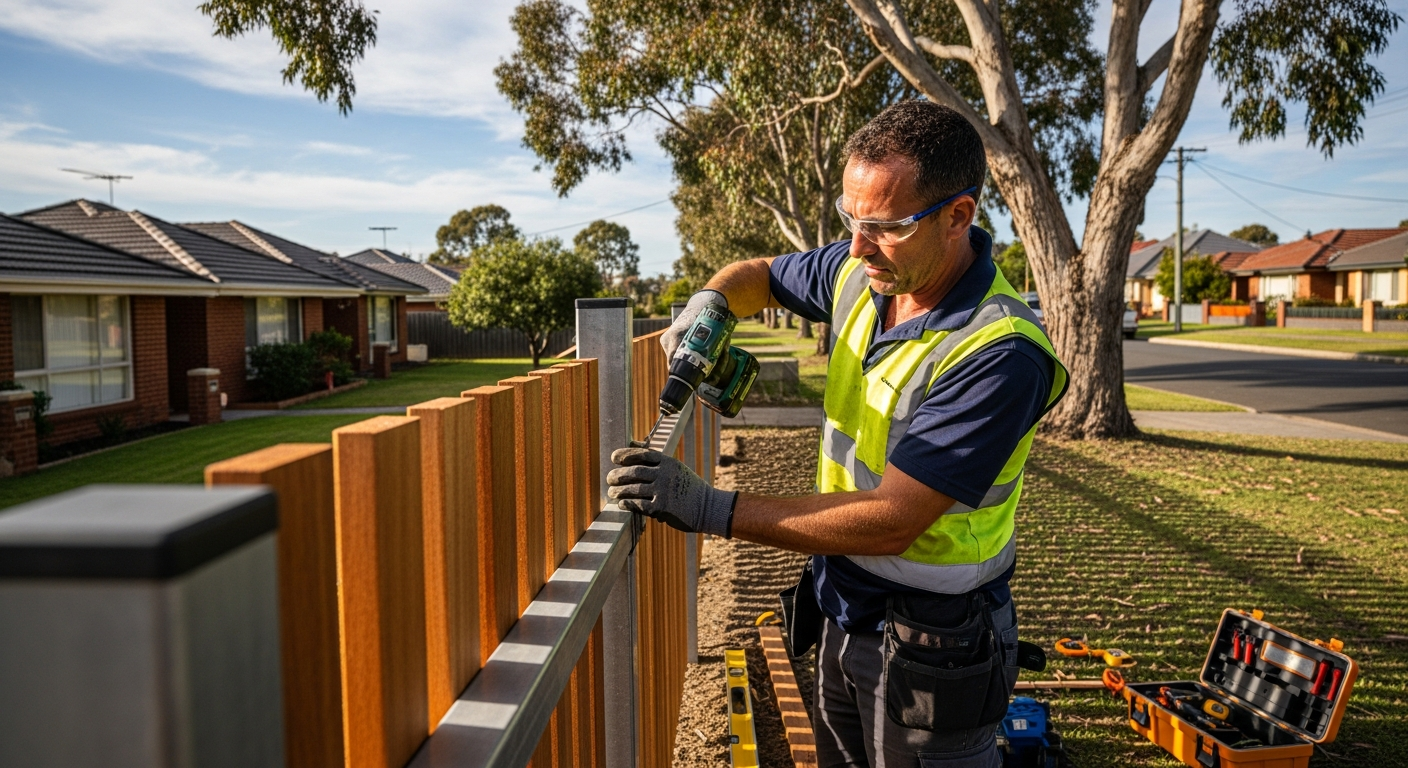
A solid process is:
Sand the face evenly.
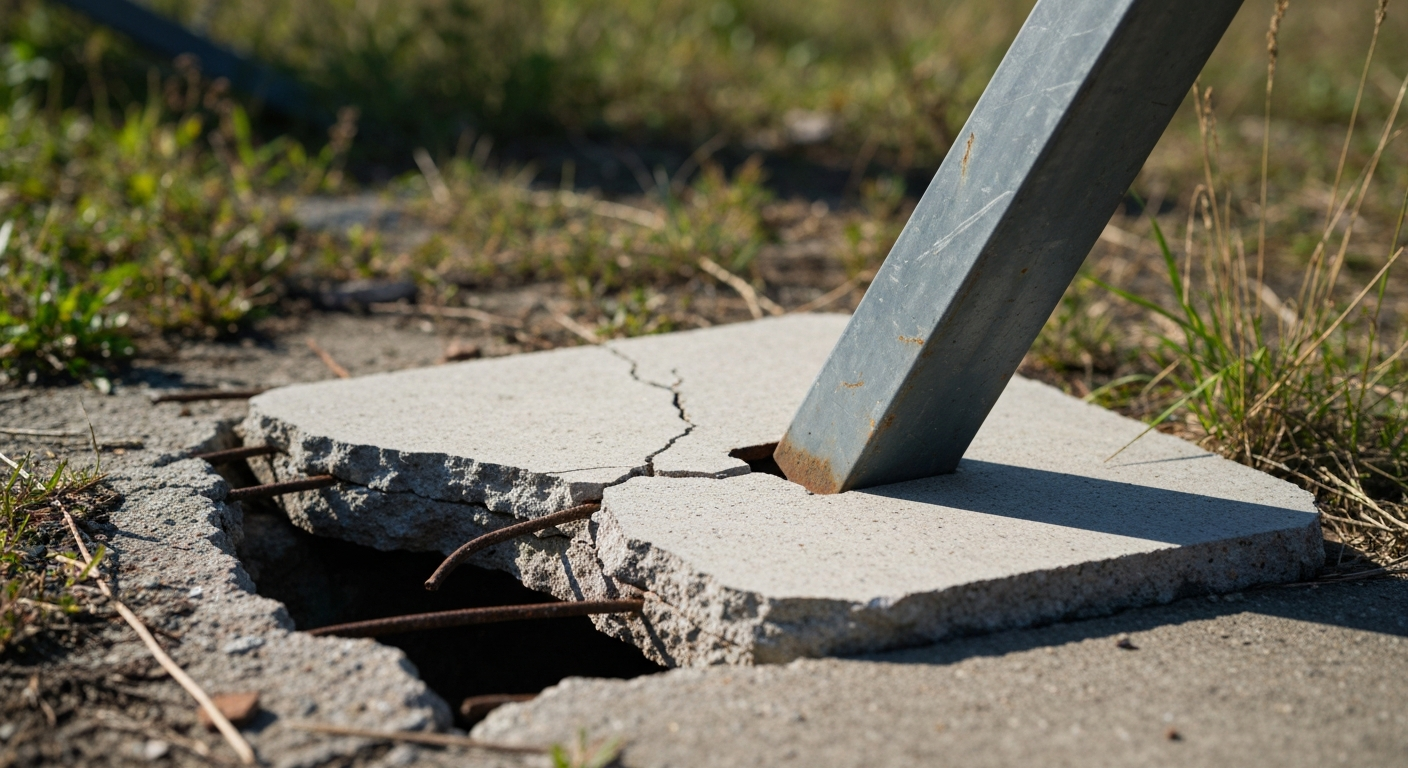
Spot-sand cut sides so they are not rough or fuzzy.
Remove dirt thoroughly prior to coating.
Dust is the quiet opponent. If you catch sawdust in the grain, discolor can look irregular and paint can show up dull. It is just one of those troubles that customers pick up right away once they see it in daylight.
Stain and paint placement: brush technique matters greater than "more coats"
Many fence business lose the clean-edge appearance throughout layer, not setup. It normally occurs when someone attempts to "conserve time" by filling way too much item into edges and overlaps.
A far better technique is to manage circulation and dry time.
Work with the grain and the run, not versus it
For discolored timber, I try to keep the brush or roller activity regular so the surface shine remains even. If you repeatedly quit and reactivate, you produce a noticeable band. If you do not have sufficient item operated in, the finish can dry lighter in specific sections.
For repainted fencings, excessive density can make drips near the bottom edge and slightly increased appearance near the overlap. That destroys the sharpness customers expect.
Don't coat on damp boards
If hardwood is damp from rainfall or moisture, finishing can catch moisture. The following day you might see a dull patch or fine bubbling at edges. As soon as that occurs, it is hardly ever a fast fix. You could need sanding and re-coating in the impacted section.
If you are scheduling fencing contractors and completing in the very same week, strategy around climate. Also in Melbourne, you can obtain a run of rain, then clear skies, and you end up with boards that are "not damp, yet not all set." That is why the very best fence installer Melbourne teams view conditions day by day.
Hardware placement: the "tiny stuff" that develops huge visual gaps
A fence can look clean from far away however still reveal sloppy sides up close if equipment is inconsistent. 2 examples I see regularly:
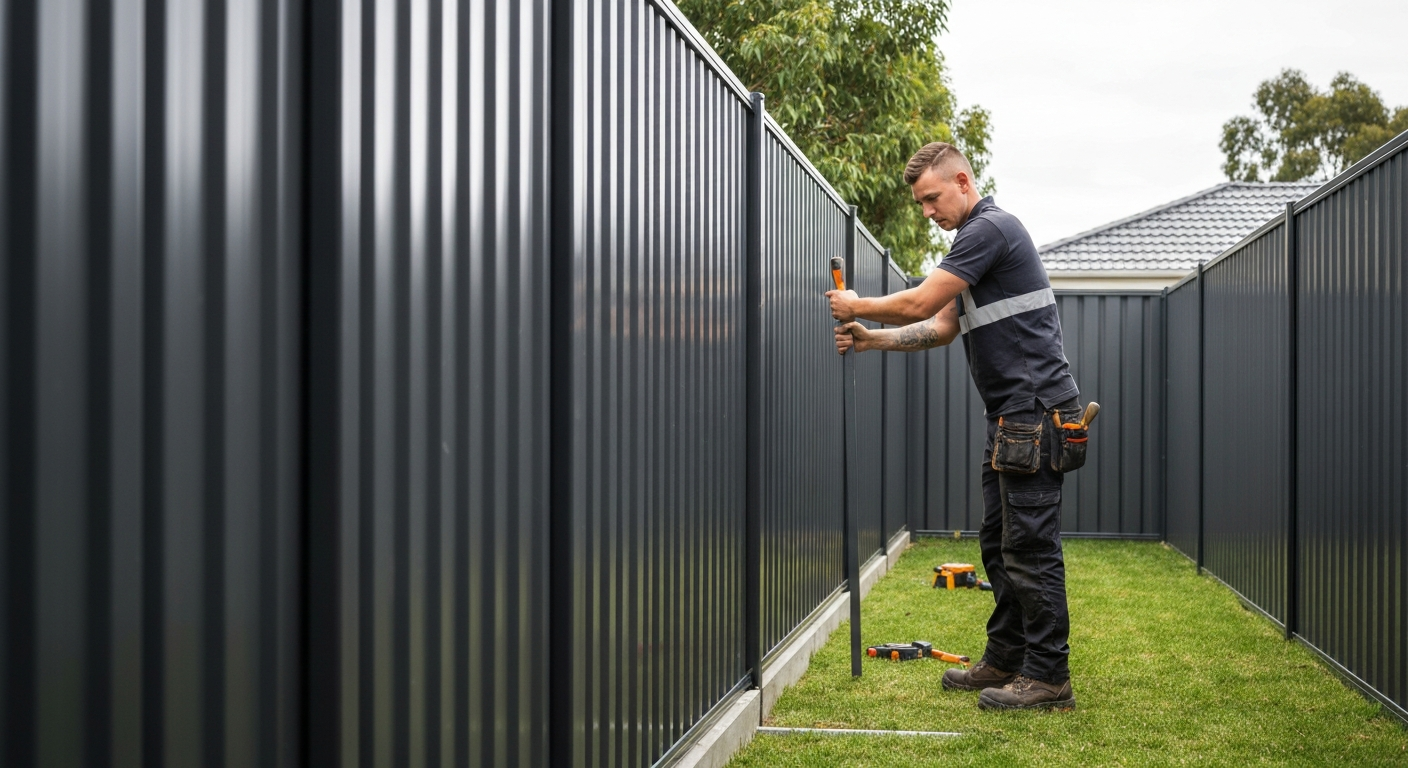
Screws that capture the grain at an angle and slightly draw the board.
Brackets or connectors that are placed a little out, creating the rails to rest unevenly.
If you want a crisp finish, deal with hardware positioning like layout job. Procedure, mark, pre-drill where required, and maintain elements lined up to the face line you want.
Also, check that your adapters are compatible with the hardwood thickness and rail spacing you picked. Dissimilar parts can compel you into cutting corners on the website, and the result usually shows on the top edge.
Gates: where sides obtain judged hardest
Gates are where people stroll up close. They run hands along the framework, they enjoy swing positioning, and they see uneven voids. A fence that looks fantastic up until you open up the gate typically means eviction framework was constructed without matching the fencing's aesthetic logic.
When I intend a gate, I consider three things:
How the latch edge lines up with the fence boards face.
How much clearance the bottom requirements for ground variability.
Whether eviction leading suits the fencing leading line aesthetically, even if boards are cut differently.
A common error is developing eviction to work and disregarding the finish line. After that the very first gusty day reveals that the gap modifications somewhat, and eviction side looks mismatched to the fencing run.
Clean edges with timber: securing cut ends and stopping "edge flower"
Timber is ruthless at cut sides. Edge flower can happen when dampness moves in and out and the surface falls short to seal consistently.
To protect against that:
Seal all reduced edges, not only the faces. That consists of notches, drilled holes, and any trimmed board ends.
Avoid finish too heavily appropriate at the side. Thick coats can heal unevenly.
Let boards completely dry sufficient prior to completing. If you are operating in damp weather, allow time for hardwood to breathe.
If you are comparing Fence company choices, ask what they do especially around cut ends. Fence company Melbourne carriers that care about durability will usually state edge sealing as a basic technique, not an add-on.
Metal fences: clean edges implies rust control and also coatings
For metal fencing, "clean finish" is still about sides, however the failing settings alter. Chips at cut steel finishes, inadequate prep on welds, and uneven powder layer coverage can show quickly, specifically where rainfall splashes.
If your fencing system entails steel rails and pickets:
Use the appropriate cutting technique and tidy up burrs carefully.
Prep welds and reduce points correctly prior to any kind of guide or topcoat.
Keep coating thickness consistent across the face and the edge.
Even small rust blemishes can wreck the appearance of an otherwise cool job, because they focus near joints and reduce edges.
A fencing contractor dealing with combined products, such as wood infill with steel messages, has to stabilize prep steps across products. Done incorrect, one part lasts and another fades. Succeeded, the entire system stays uniform.
A useful checklist for clean edges on site
Most fence blunders are preventable once the group has a short, regular regimen. Below is a quick field list that I utilize as a psychological safety net, particularly when subcontractors are included or when I am training someone new.
- Confirm your referral line before setting each new message, after that check plumb at two points
- Plan whether the top will certainly be raked or leveled, and cut boards as necessary before ending up
- Sand and prep faces and reduce sides separately, then remove dust completely
- Seal cut ends, pierced holes, and any type of notches before using tarnish or repaint to faces
- Coating just when boards are completely dry enough that you will not catch moisture in sides
That checklist is simple, yet the value comes from doing it every single time, not "whenever it feels essential."
Common ending up issues, and how to avoid them
Even careful installers run into difficulty. The distinction is how rapidly you identify concerns and how you fix them prior to the entire area is finished.
Patchy staining
Patchiness often originates from irregular surface area moisture, inadequate sanding, or product applied too completely dry or as well thick in certain locations. If you capture it early, you can typically deal with by light sanding and re-coating in a regulated way.
Drips and runs near the bottom edge
Runs happen when the covering is as well thick, used also gradually, or combed back over partly established material. The lower edge is a high-risk area because gravity pulls product there. If you maintain control at the bottom edge, the whole fencing looks sharper.
"Darkness" from uneven board spacing
This is an installation concern dressed up as a coating problem. If board gaps differ also a little, the shadow line modifications. That produces a patchwork look. The only real solution is tightening up alignment throughout rail installation.
Paint peeling at cut edges
Peeling normally traces back to inadequate side securing, poor prep, or layer on moist hardwood. When peeling beginnings at edges, it spreads out since those locations maintain soaking up and releasing moisture.
Choosing a fencing contractor without getting stuck with regret
People shop for secure fencing based upon rate first, after that they remember the look later. That is understandable, yet it is additionally where troubles begin. If you want tidy edges and a strong surface, you require to know just how the fence installer considers appearance.
When you speak with Fence contractors, Fence contractor, Fencing contractors, or a Fence company, ask questions that force detail.
Not "Do you do good work?" however "How do you line up rails so the top side remains directly?" and "What do you seal on cut ends, and just how do you prep prior to finishing?"
You may additionally ask how they handle gateway placement, since it discloses whether the team is believing aesthetically or functionally. Fence installer Melbourne experts that have actually done numerous domestic tasks will usually have clear solutions. They will likewise explain compromises honestly, like how a raked top will certainly alter spacing at ground level.
Materials and design decisions that influence the side look
Clean sides are not just about workmanship. The product profile you pick influences just how sharp the fencing reads.
Board profiles and exactly how coatings sit
Some lumber profiles look crisp even with a softer discolor. Others require specific fining sand so you do not rounded edges. If you choose a design with slim edges, treat reducing and fining sand like part of the style, not a chore.
Pressure treated hardwood versus hardwood
Different lumbers accept stains in a different way. Some darken rapidly after fining sand, others stay inconsistent until multiple coats. That is not a factor to prevent a product, it is a reason to plan completing steps and completely dry time.
Spacing and aesthetic rhythm
Even when boards are reduced and sealed correctly, a fencing can look unpleasant if spacing is inconsistent. The rhythm of gaps is what your eye checks out as "clean." That is why numerous fencing contractors Melbourne groups stress over rail placement and board spacing much more than they stress over individual board appearance.
The after-care that secures your clean edges
A fence finish is not a one-day occasion. It maintains improving as it remedies, and it also degrades based upon maintenance.
You do not require complex rituals. You do need reasonable care concentrated on sides:
Keep the bottom side from sitting in constant moisture, specifically if you remain in a reduced spot where water collects.
Avoid spraying high pressure directly at joints. High stress forces water right into sides and can loosen up finishes over time.
Watch for early issues, like tiny cracks or chipped paint near gateway hardware, then repair them prior to they spread.
If your fence is wood and discolored, a routine recoat strategy helps preserve that crisp appearance. The timing depends upon direct exposure, product type, and climate patterns, so the very best recommendations is usually based upon what you picked and just how the fence faces the sun.
When you ought to ask for a renovate, and when you ought to deal with it
A clean edge is subjective till it impacts feature or stands apart terribly at close quarters. I have seen house owners approve minor distinctions that did not matter, and I have actually seen them observe a little misalignment that bothered them daily. That is why a great fence installer need to do a walkthrough and mention what they are seeing.
If the leading line drifts significantly when you watch it from the road, that is not "minor." It will keep bothering you.
If a couple of screw heads are slightly visible yet the remainder of the fence is tidy and tight, it could be acceptable relying on finish and paint colour.
If the completing is irregular precisely cut edges, especially near entrances and edges, it will age unevenly. That is the kind of issue worth dealing with early.
Final takeaway for clean edges and finishes
Clean edges come from a chain of great decisions: referral line technique, effectively set messages, rail placement that matches the desired visual plan, and completing that deals with cut sides as first-rate work. Many problems individuals notice later, irregular gaps, shadow lines, rough edges at ends, irregular stain around joints, trace back to these earlier steps.
If you are picking a fence company, focus on procedure, not simply the final image. A fence installer that can explain how they keep leading lines directly, just how they prep and seal cut ends, and how they prepare for climate and dry time is the one probably to offer you that clean, specialist surface you can see from across the lawn and still value up close.
And if you are the individual on site, take the exact same attitude: reduce the format, be rigorous with alignment, and complete the edges like they are the primary event.