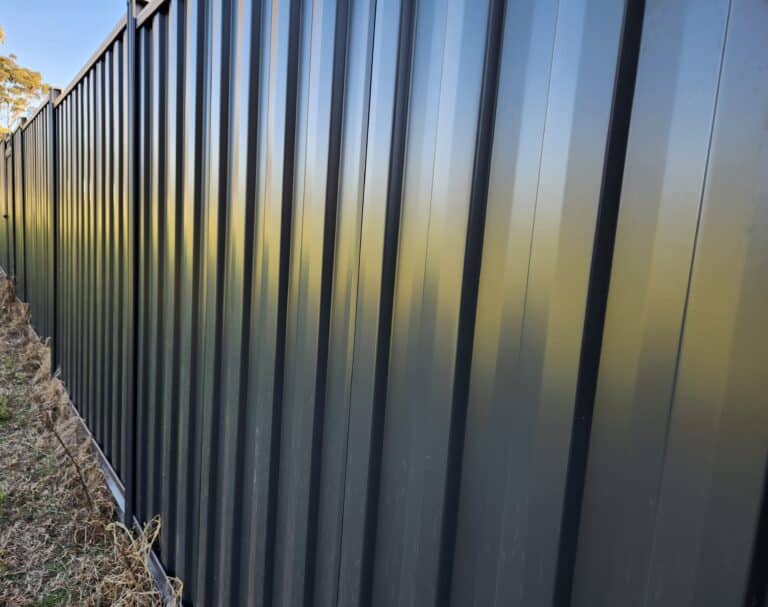
Fencing Installer Tips for Storm-Resistant Fences
Storms do not care just how pretty a fence searched set up day. Wind looks for weak angles, saturated soil loosens up grounds, and equipment quits right where you cheaped out. I have reconstructed more toppled panels and twisted entrances than I can count, and every failing showed the very same lesson: storms compensate good basics. If you desire a fencing that stays standing when gusts strike three-way numbers, construct for lots paths, water drainage, and upkeep, except catalog photos.
Why fencings fail when the wind turns ugly
Two pressures kill fences during storms. Side pressure from wind pushes the airplane of the fencing like a sail, and uplift attempts to turn each article out of the dirt. Add damaging from debris and waterlogged ground that loses bearing stamina, and you have a recipe for domino failings. Typically you see the first lean at a gate post or a corner, then rails crack, after that panels shelf and go.
The surprise for lots of homeowners is just how much tons a strong personal privacy panel carries. The standard wind pressure estimation in extra pounds per square foot is 0.00256 times the wind speed squared. At 100 miles per hour, that has to do with 25.6 psf. A 6 by 8 foot solid panel provides roughly 48 square feet to the wind, so the instant lots can top 1,200 pounds, not counting disturbance or suction on the leeward side. Spaces, louvers, and shadowbox designs hemorrhage stress, which is precisely why a storm-smart design hardly ever chooses a completely solid aircraft unless the grounds and mounting are constructed for it.
Choose materials for strength, not simply looks
I have set up practically every little thing that can be called a fence. If tornados remain in the projection annually where you live, below is what holds up and what needs help.
Wood looks classic and functions well when detailed right, yet unattended articles rot at the concrete line and bolts corrode. I favor pressure-treated Southern Yellow Pine or cedar rails and pickets, with posts upgraded to steel where budget plans permit. If you are established on timber blog posts, spend for rated ground-contact therapy and isolate wood from standing water with proper ground sheds and crushed rock collars. Timber privacy can be tornado hard if you separate the wind with a shadowbox, board-on-board with staggered voids, or a horizontal louver that vents air while blocking sightlines.
Vinyl is forgiving to preserve and withstands rot, however in wind it imitates a sail unless it has inner metal reinforcement and much deeper footings. Cheap vinyl panels clipped right into hollow blog posts are the first to go in a gale. If you hire a Fencing Contractor for vinyl in a seaside or prairie wind area, ask for steel stiffeners inside the rails, 5 by 5 posts set deep, and foam filling where defined by the manufacturer.
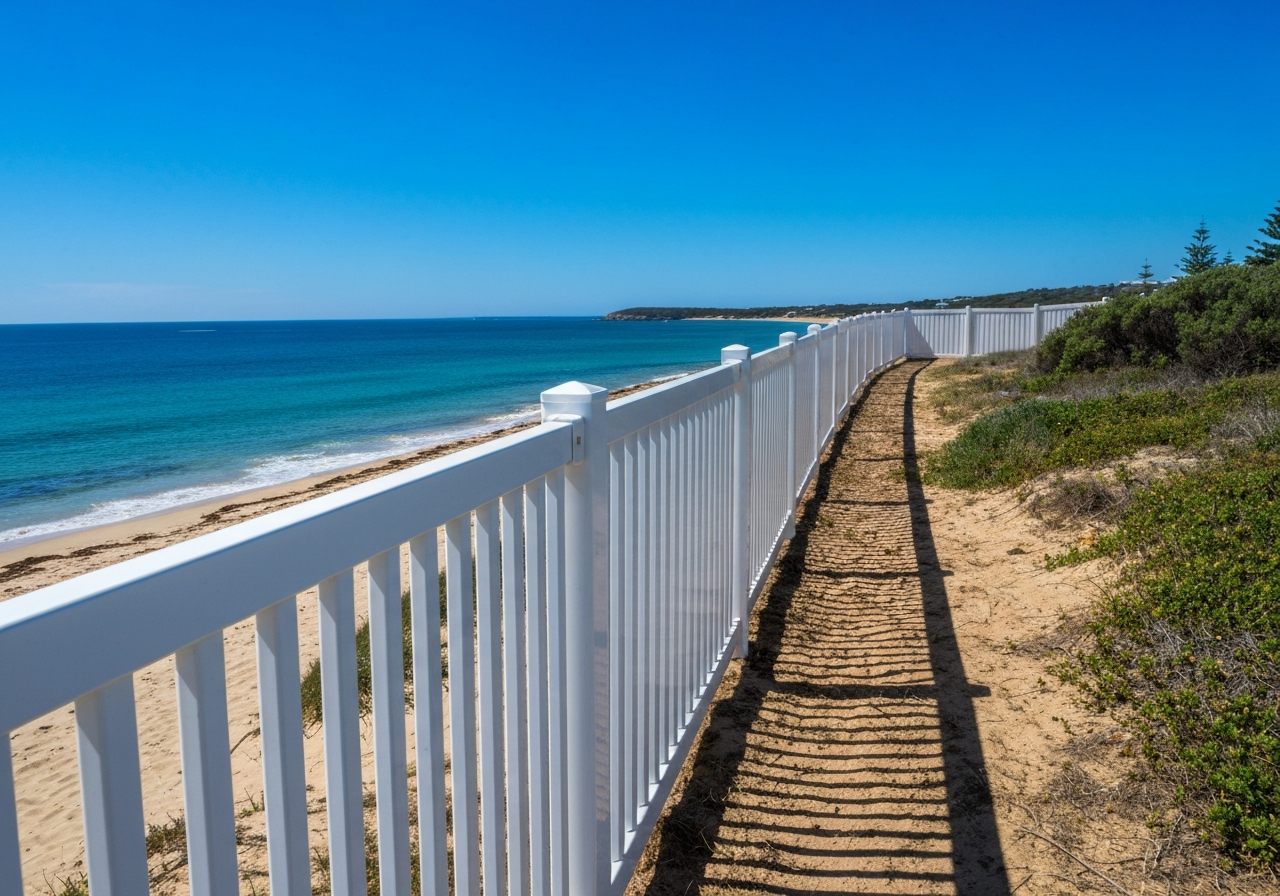
Aluminum works for ornamental and swimming pool secure fencing. Powder covering secures it, and its open picket framework leakages wind. For tornado belts, I favor heavier wall density and correctly secured posts with mechanical links rather than only established screws. Steel is stronger yet should be hot-dip galvanized and, near salt, paired with stainless hardware to avoid quick corrosion.
Chain web link takes wind better than people believe, especially if you maintain personal privacy slats from it or restrict them to areas with reinforced bracing. A 9 scale fabric on Schedule 40 pipe messages, concrete footings below frost, leading rail and stress wire at the bottom, plus diagonal bracing at edges will come through most tempests. When customers ask a Fence builder for low-maintenance and tornado challenging on a budget, chain relate to thoughtful supporting is my very first suggestion.
Composite boards mounted to steel or aluminum frames divided the difference. They look crisp and withstand rot, yet weight climbs up fast. That additional mass indicates you should upsize posts and footings. I have seen composite fencing panels shear standard screws like toothpicks because the rails were undersized for the wind area. If a Fencing Installer uses composite, ask to see the framing information and wind score, not just the brochure.
Posts and footings determine that wins
Posts are the spine of a storm fencing. Size, depth, and connection top quality are nonnegotiable. When the wind strikes, each message acts like a bar. If your ground is shallow, the message will certainly pry the entire column loose.
Depth needs to beat frost line by a minimum of 6 inches and never be less than 30 inches in non-freezing environments. In typhoon or tornado-prone areas, I push for 36 to 48 inches on 6 foot fences, and deeper if dirt hangs or fill. Size depends upon message size. A useful rule of thumb for a 4 by 4 wood message is a 10 to 12 inch opening. For a 2 3/8 inch steel blog post, 10 to 12 inches benefits normal household periods, however I typically increase to 14 inches for end and entrance posts. Bell the bottom of the opening if soil allows. That flare resists uplift and tilting.
Concrete requires a strategy as well. I like 4 to 6 inches of compressed gravel under the footing for drain and frost security. Use premix concrete to manufacturer water specifications, not slushy slurry. Crown the top 2 inches above grade and slope it far from the article so water does not rest at the message face. For wood, I leave a small sleeve of crushed rock around the top third of the post when codes enable, then wrap the embedded area with a suitable barrier to slow down rot. For steel, hot-dip galvanizing beats paint, and in coastal regions I specify epoxy-coated or polymer sleeves for the embedment zone.
For important corners and gateways, tie blog posts along with buried concrete quality beams or set up angled deadmen to withstand internal pull. If the task has long term, plan for stout terminal messages every 80 to 120 feet that imitate breaks in a tornado, comparable to growth joints in pavement.
Framing and fasteners that do not blink
Rails carry load from pickets to blog posts. Small rails snap in racking. For a 6 foot privacy fence, 3 rails are the minimum. I size rails to 2 by 4 nominal a minimum of, set on edge for upright tightness when feasible. On steel blog posts, utilize architectural brackets that wrap the article and record the rail with bolts, not short sheet-metal clips that turn off. A seasoned Fence Installer brings a box of structural screws and recognizes where to make use of delays, through-bolts with washing machines, and hurricane ties.
Fasteners are tiny heroes, and storms locate their weaknesses. In coastal zones, 316 stainless screws spend for themselves. Inland, hot-dip galvanized hefty screws or ring-shank nails hold far better than drywall screws or electroplated hardware that matches in a year. Where rails satisfy messages, set up 2 fasteners per link, spaced to prevent splitting. On pickets, angle 2 bolts per rail to balance lots and lower pull-out.
Diagonal bracing matters. The majority of fallen fences show racking where a square edge gradually became a parallelogram before it failed. An easy 45 level support from the reduced hinge-side of a gateway or end panel approximately the far leading rail adds remarkable stiffness. If the style permits, make use of metal stress cable televisions with turnbuckles on longer runs. Tighten after the first wind period as timber dries and shrinks.
Panels that lost wind without appearing like a windbreak
Privacy does not need to imply a strong wall. Shadowbox, louvered, and counter board-on-board patterns permit air to infiltrate while still blocking views from typical angles. If I need to construct a completely strong face, I minimize panel size, boost post count, and upgrade ground size. Numerous failings begin on 8 foot panels that imitated sails. If you can cope with 6 foot periods and denser posts, your probabilities enhance markedly.
Horizontals festinate. They likewise tempt installers to set rails level, which bends under wind. If you love straight lines, use thicker rails and take into consideration steel channel framing concealed behind the boards. Leave constant spaces between boards so air can pass. I aim for 3/8 to 5/8 inch voids relying on board size and anticipated movement.
For chain web link, prevent full-height slats if storms are common. If personal privacy is mandatory, break the face reinforced sections with larger incurable messages and wind supporting, or utilize a crossbreed layout with semi-open areas that relieve pressure.
Gates are the initial to give up if you do not respect physics
If the fence is the wall surface, the gate is the hinge in the wall surface. That hinge focuses lots. Undersized articles and flimsy frames fail below initial every single time. I oversize entrance articles by 1 or 2 increments beyond the line posts. For a 6 foot wood gate, that suggests a 6 by 6 timber message or a 2 7/8 inch steel pipeline at minimum. On double drive gateways, prepare for a drop rod into a concrete sleeve and a stiff facility conference edge. Wheels are great for benefit, not as primary load transfer.
Use a complete perimeter structure with welded corners for metal gateways and glued, screwed corner blocks for timber. Install an angled brace from the lower lock side up to the top joint side to bring sag. Hefty band hinges or round bearing joints make a big distinction. On seaside jobs, I recommend stainless joints ranked for the actual gateway weight plus a surge factor.
Here is a crisp develop sequence I offer jr Fence Installers for a storm-worthy pedestrian gateway:
- Set joint and lock blog posts deeper and larger than line messages, with footings that flare at the base and a crowned top.
- Build a rectangle-shaped frame that is perfectly square, after that include a diagonal brace from lower lock to leading hinge edge prior to skinning with boards.
- Hang the gate with 2 or three hefty joints through-bolted with washing machines and lock nuts, after that add an adjustable turnbuckle on the brace for future tuning.
- Use a latch with a favorable mechanical catch and, where ideal, a drop pin near the bottom into a sleeved hole.
- Seal all cut ends, and utilize stainless or hot-dip galvanized equipment throughout.
Soil, slope, and water make or break the plan
I have actually pulled perfectly good posts out of muck that utilized to be firm ground. Storms suggest water, and water modifications the soil bearing math. Clay swells and sheds toughness. Sand shifts. On slopes, the outboard side of a fencing typically sees searching. You respond to every one of that with water drainage and smart grading.
Start with a clean 6 to 8 inch gravel layer at the base of every ground. Backfill around the concrete with free-draining product so water does not fish pond. On inclines, step the fencing to match quality, and on the uphill side, reduced superficial swales to guide water around grounds. Maintain the bottom of timber pickets an inch or 2 above grade so they do not wick water. Where runoff concentrates, think about a low concrete curb or compressed base to shield soil right under the fencing line.
Coastal and harsh settings require their own spec
Salt air and high winds require upgrades. A Fence Contractor that installs inland specifications near the shore is setting you up for failures at year 3 rather than year 10. Demand:
- Hot-dip galvanized or light weight aluminum messages and rails, with a proven powder coat system.
- 316 stainless fasteners and hinges.
- Drain openings at the base of hollow steel articles so trapped water does not corrode from the inside out.
- Isolation between different steels to stop galvanic corrosion.
In some coastal codes, you will certainly see authoritative grounds, minimal article sizes, and mandated equipment. Follow them, and afterwards go one notch more powerful where the budget allows.
Retrofitting an existing fence prior to tornado season
You can toughen a fence without reconstructing from scratch. Start with the weak links. Sister a steel post alongside a decayed 4 by 4 and screw them together if a full replace is not in the cards this year. Include angled bracing at corners and in between long terms. Swap wore away nails for architectural screws. Change light gate hinges with hefty band joints and include a decrease pin. On chain link, tighten up fabric, change curved top rail, and add a 2nd tension wire near mid-height. If plastic rails sag, add interior aluminum or steel stiffeners produced that brand.
Concrete collars that are flush with grade accumulate water around wood articles. Chip the top inch off and re-form a crowned cap. Fill up washouts along the fencing line with compressed base and form the surface area to drain away.
A pre-storm walk that conserves headaches
When the projection mentions solid winds, I do a 15 min circuit with owners. The objective is to get rid of loose missiles and finesse the fence into its ideal chance.
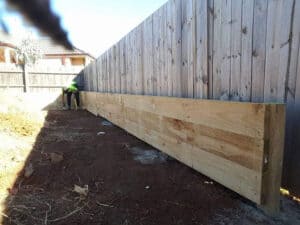
- Tighten gate equipment and include temporary supporting if a latch has any play.
- Remove or protected anything that can slam the fencing, like trash cans, grills, or seasonal yard furniture.
- Check messages for motion by pressing at mid-height. Mark any soft ones for future repair service, and add short-lived guying if a huge impact is imminent.
- Look for ground washouts and backfill low areas so water does not pool at footings.
- Lubricate hinges and latches, and guarantee entrances can be latched completely closed.
After the storm: examine, record, and choose smartly
Do not tug on a leaning fencing while the dirt is still filled. Allow the ground drain for a day or two, after that inspect. I take pictures for insurance and note which failures were structural versus influence from a downed branch. Articles that heaved can often be reset if the footing is undamaged. Split rails are affordable to change. If several blog posts rotated in their outlets, prepare for a partial restore with larger footings.
Insurance insurers appreciate invoices and records. A professional Fencing Contractor that records depth, material specifications, and equipment made use of will certainly help you validate a stronger rebuild after a case. If you hire Fence builders for repair services, ask them to flag upgrades that resolve the real failure modes they located, not simply return it to the pre-storm weakness.
Real numbers, actual planning
Homeowners usually ask what it sets you back to upgrade for tornados. Expect a 10 to 25 percent costs over a basic personal privacy develop for much deeper footings, heavier blog posts, better hardware, and wind-venting designs. On a 120 foot 6 foot personal privacy fence that could be an extra 600 to 1,800 bucks, depending on neighborhood product expenses. In several regions, one avoided replacement pays that back.
I also run a basic load check when picking panel size and blog post spacing. Using that 25 psf at 100 miles per hour figure, a 6 foot high, 6 foot large strong panel sees about 900 pounds, versus 1,200 extra pounds for 8 feet. Add 3/8 inch gaps and you might reduce reliable pressure by a recognizable margin. That fast mathematics steers me towards closer articles or aired vent designs in gusty corridors.
Permits, utilities, and neighbors
Storm-resistant does not excuse you from the basics. Contact utility locates prior to you dig. Striking a superficial gas line because you chased a deeper footing is not just how you want to invest a week. Authorizations usually consist of elevation limits and setbacks. In some jurisdictions, changing a fence design or footing dimension sets off an examination. A credible Fencing Installer or Fence Contractor will certainly know the local ropes and can fast-track compliant plans.
Talk to neighbors if you are adding height, gaps, or a make over. Shadowbox patterns look the same on both sides, which can be a polite win. If the neighbor's tree overhangs, coordinate pruning prior to a storm so you do not develop a bullseye right where an arm or leg will certainly land.
Maintenance that actually matters
Storm resistance is a living top quality. Wood needs resealing every 2 to 4 years depending on sun direct exposure. Repair cuts and equipment swap-outs immediately. Keep plants from covering rails and capturing moisture. On steel fencings, rinse salt spray and roadway gunk, specifically after wintertime. Examine gateways at the turn of each period and tighten up equipment. A two-hour upkeep session in spring and fall includes years of service life.
Working with the best pro
There are excellent Fence Installers and there are panel staplers. You desire the former. Interview Fencing Contractors concerning wind loads, footing deepness, and hardware specifications. If a Fencing Builder can not discuss why they like 6 by 6 messages at gateways or does not carry architectural fasteners, find another. Ask to see previous job after a tornado period, not just day-one pictures. Experienced Fence builders can talk via compromises, like choosing louvered layouts to bleed stress, or upgrading specific posts where your backyard funnels wind.
For complicated sites or commercial runs, some Fencing Builders generate a designer to size blog posts and grounds. That is not excessive near the coastline or on exposed hills. Also a couple of hours of design pays off when you avoid a rolling failing along a hundred-foot line.
A couple of field stories that stick with me
We mounted a 200 foot shadowbox cedar fencing along a ridge line where gusts routinely strike 60 mph. The owner originally wanted solid privacy panels. We changed to an airing vent layout, included 6 by 6 blog posts at 6 foot facilities, established 42 inches deep with flared bases, and utilized stainless screws on every picket. 3 winters months later, after an ice tornado and a springtime gale, it was still arrowhead right. The neighbor's deal 8 foot panel pine personal privacy leaned like a seafarer after shore leave.
Another task, seaside vinyl where the developer spec 'd hollow articles and clip-in rails. 2 periods, after that a hurricane shredded it. We replaced runs with 5 by 5 posts loaded at the base, aluminum stiffeners in rails, and braced corners. Prices rose, however the proprietor has not submitted a fencing insurance claim since. The difference was not magic. It was posts, footings, and genuine hardware.
And I will certainly never forget a double drive entrance that tore itself apart since the wheel carried weight on smooth days however jumped in a tornado. We restore with heavy joint posts, a welded framework, angled bracing, and a facility decline pin right into a 12 inch deep sleeve. It has shrugged off wind ever since.
What to prioritize if you can just do a couple of things
Not every budget stretches to the perfect. If you need to select your fights, start with posts and entrances. Deep, wide grounds with correct drainage change end results dramatically. Next off, choose a design that airs vent wind, also discreetly. Then upgrade hardware in the highest stress points, particularly hinges and post-to-rail connections. Lastly, prepare for upkeep. A solid fencing disregarded comes to be a weak fencing fast.
The profits that obtains fencings through storms
Build for the forces you understand are coming. Regard the dirt and the water. Size your articles and grounds like you indicate it. Pick layouts that let wind pass. Overbuild your gates. Usage real equipment. Examine the job each period. Whether you do it on your own or bring in experienced Fencing Installers, those habits maintain fences upright when the sky turns mean.
If you collaborate with a Fencing Contractor or Fence Contractor, expect them to speak you out of pretty mistakes and into sturdy choices. A professional Fence builder recognizes that the most effective praise after a storm is silence, due to the fact that absolutely nothing moved.