Finest Fence Designs for Privacy
Privacy fencings are one of those backyard projects that begin as a basic wish and rapidly develop into a full-on layout conversation. The min you in fact stand in your backyard and discover what the neighbors can see, you recognize "personal privacy" is not one thing. It is sightlines, audio bring, wind-driven noise from open gateways, glare from a next-door neighbor's patio light, and also exactly how your fencing looks when the sunlight hits it at 6:00 p.m.
When people ask me what the best fencing design is for privacy, I usually ask a second inquiry first: privacy from what, and where? Are you attempting to block direct views from a two-story residence, soften noise from a road, or keep kids and pet dogs from straying right into the neighbor's lawn? The ideal design depends upon the direction of sight, the elevation you're allowed to build, and whether you want a fencing that really feels strong and building or one that's private but still light enough to breathe.
I've aided home owners spec fences via various periods and different great deal formats, and the pattern corresponds. The greatest personal privacy usually originates from fencings that have very little voids and constant vertical insurance coverage. But the most effective option is not constantly the thickest-looking option. Occasionally you need a design that controls sightlines while still letting airflow reduce wind anxiety. And in some cases the "prettier" fence success due to the fact that you actually want to deal with it every day.
What "privacy" actually requires from your fence
If you want the useful version, personal privacy depends on three points: just how much of the space in between pickets or panels is open, exactly how high the fence is relative to eye level, and whether the fence is lined up with the method people explore your yard.
A classic mistake is choosing a style that's marketed as "personal privacy" however is actually "semi-private." Shadowbox fences can be gorgeous, and they can decrease sightlines a whole lot, yet if you have an upstairs window aimed toward your backyard, even tiny voids become a channel for view. In a similar way, latticework can look considerable in person, yet it still allows light and motion come through.
There is likewise the sound side. A solid, dense surface aids break up sound waves greater than a design with broad spacing. But the type of sound matters as well. If your issue is stifling voices from a surrounding deck, a thicker, constant face aids. If your issue is wind sound, a fence with excellent air movement can decrease stress and resonance. That is why I'm cautious about suggesting one of the most closed fencing option for each yard without considering wind exposure.
Finally, there are the real-world restrictions: home lines, easements, entrance positioning, and neighborhood elevation policies. In many areas, fence height limits vary depending upon where you're developing, and they can even change near corners. Before you fall in love with a design, it deserves checking those rules so the task does not get redesigned after the fence company determines everything.
Board-on-board: the personal privacy workhorse
Board-on-board is the style most people imply when they say "I desire personal privacy." It's essentially 2 layers of upright boards, surprised so there's no straight line of sight via the fencing. Done appropriately, it blocks views from the street side and from bordering patio areas without making your yard seem like a bunker.
This style is popular for a reason. It offers solid privacy with a classic appearance that fits everything from older homes to more recent builds. It likewise takes care of common site difficulties. If you have slightly unequal quality or you're building near a slope, board-on-board can be adapted with cautious format and great board fastening so the face stays consistent.
The trade-off is maintenance and weight. Timber board-on-board fences often tend to require even more upkeep than vinyl or metal. If you choose timber, you'll wish to plan on discoloration or sealing and keeping an eye on horizontal surface areas that gather moisture. In my experience, the fences that last are the ones installed with interest to spacing at the bottom and excellent cap choices at the top.
An information that matters greater than people anticipate is the density and spacing of the boards. Larger boards with tighter incredible lower sightlines. However if boards are too firmly packed and your style traps dampness, you can create troubles with time. That balance is where the "it depends" comes to be real.
Solid panel fence: maximum block, clean lines
If you want privacy that really feels immediate, strong panel fencing is tough to defeat. Relying on the material, it can be wood panels, composite panels, or vinyl systems made with overlapping layers or interlacing tongues. The typical string is coverage, less spaces, and a smoother face.
This is the classification I steer individuals towards when they inform me they want privacy from multiple angles. As an example, one home owner I dealt with had a side yard with a next-door neighbor's walkway running alongside it. They didn't just require to block a solitary line of vision, they required to quit the "look sight" that occurs when people are strolling by at different elevations. Strong panels minimized that impact promptly, and the property owner later on told me they felt like they restored control of that whole side space.
Solid panel fencings also often tend to simplify visual clutter. With less individual pickets, the yard checks out cleaner. That can be especially valuable if you have landscape design you intend to keep as the hero. Instead of the fence requiring focus, it becomes a backdrop.
The practical caution is wind and hardware. Strong surfaces capture wind. That is fantastic for privacy, yet it indicates the framework requires solid messages and excellent bracing so the fence does not establish sagging or loosened panels. A fence company that mounts the "minimum that should work" is not the one you want right here. You want somebody who determines for your wind problems and anchors with confidence.
Shadowbox personal privacy: the most effective compromise for several yards
Shadowbox fences being in an interesting middle ground. They still stagger boards so you obtain privacy, however the openings are typically set up to create a darkness result from particular angles. From one direction, the fencing looks strong. From another, you can often see activity or a hint of the lawn behind it, depending upon light and the board spacing.
I like shadowbox for property owners that want personal privacy without the hefty, closed-in appearance. It functions well when you're protecting outside seats areas however do not require complete, courtroom-level screening. It also shines when the fencing line runs along areas where you desire air movement, like near high growing beds or where you require to maintain the lawn from really feeling oppressive.
The crucial variable is how the boards are staggered. Two shadowbox fencings can look comparable from throughout the yard yet do really in a different way close. If you're handling an upstairs window, you'll want a tighter staggering and a face style that decreases direct sight. If you're primarily obstructing a ground-level outdoor patio, shadowbox can be enough and really feel even more open.
If you're an "I desire personal privacy plus elegance" person, shadowbox is frequently the wonderful spot. It has enough rhythm to look willful, and it's less complicated on the spending plan than the most thick layouts when materials and labor are thought about together.
Vertical board fences with tight spacing: straightforward, solid, and adjustable
Vertical board personal privacy is what many people image first. The real concern is spacing. If you place boards close sufficient together, you obtain superb privacy without relying on facility layering. Tight spacing likewise makes it easy to customize the appearance: different board sizes, a regular top line, and optional caps or trim that make it feel finished.
This design can work in virtually any lawn since it is adaptable. If you want the fence to match a residence exterior, you can line up the board widths and choose a tarnish shade that echoes cut. If you want a somewhat modern-day look, slim boards with crisp lines and clean blog post spacing can give a tailored feel.
But tight-spacing timber is also where handiwork shows. If boards are installed with inconsistent spaces, the fence will not just look irregular, it will certainly come to be inconsistent in privacy. And if your boards shrink or twist in time, you can open tiny voids. That is why the most effective outcomes originate from selecting boards matched for your environment and from setup that keeps boards straight and correctly fastened.
If you're tempted by this option, take into consideration asking your installer about just how they manage seasonal activity. Some professionals use more robust fastening patterns or select certain wood grades to reduce bending. It's not regarding perfection, it has to do with preparing for exactly how products behave.
Vinyl and compound: low-fuss privacy that still looks intentional
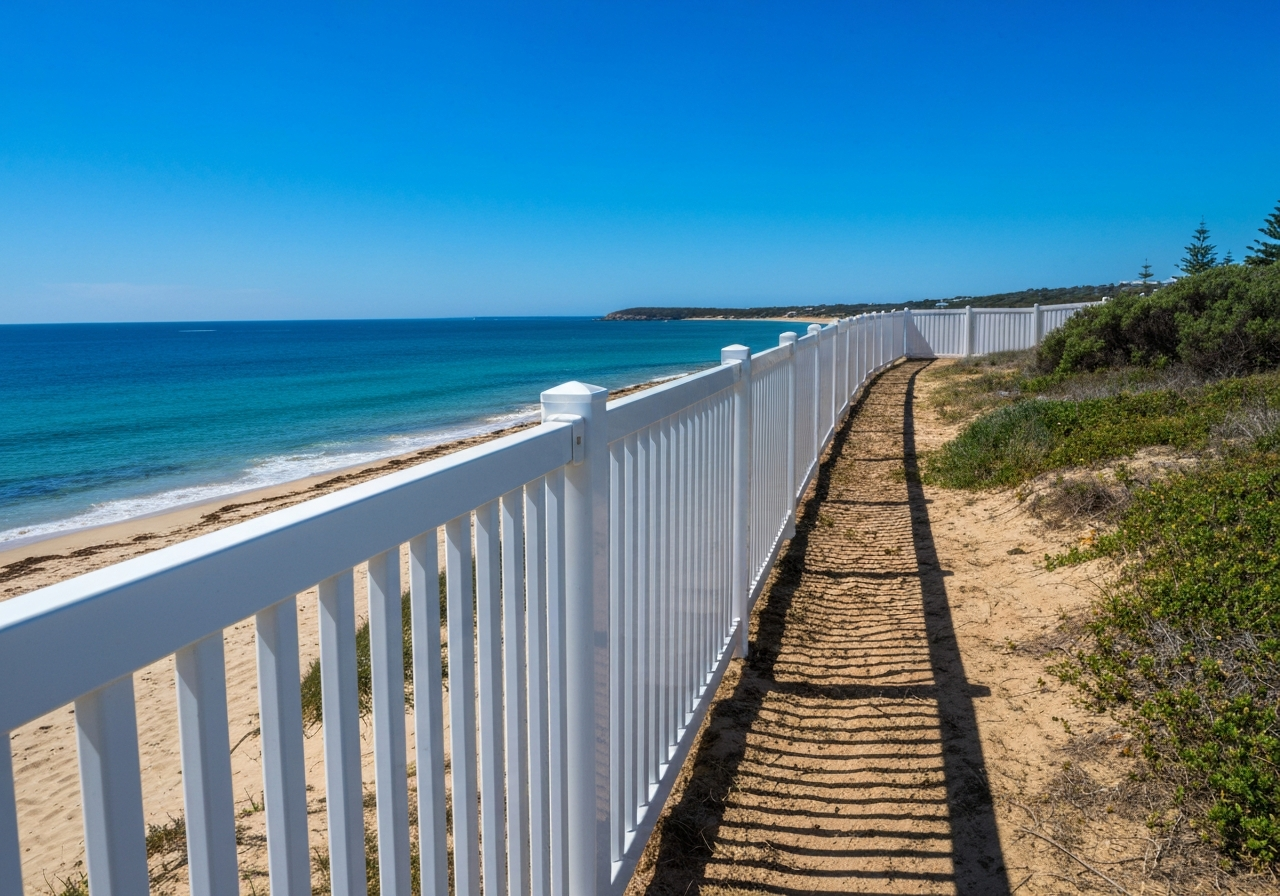
Vinyl and composite privacy fences can deliver regular insurance coverage and a clean, repeatable appearance. The large marketing point is minimized upkeep. You're not staining every year or stressing over whether a wet stretch will certainly begin damaging down the coating. For numerous property owners, that alone is worth paying extra upfront.
These products likewise handle the "I want it to look the very same forever" frame of mind. Plastic specifically can keep color well compared with numerous repainted or tarnished wood fences, though you must still anticipate some fading in extreme sun over long periods. The practical objective is to maintain the fence looking presentable with very little initiative, not to assume it will look brand-new after years outdoors.
The trade-off is impact resistance and warm. In places with huge temperature swings or extreme sunlight, plastic can expand and contract. Excellent installments account for that with appropriate blog post spacing and attaching so you don't get bending or voids. If the installer is sloppy, also a great fencing product can end up looking exhausted as well soon.
Composite systems are normally heavier and can really feel sturdier, which can aid for wind exposure. Still, every system has its peculiarities, and it's wise to review the certain product line instead of assuming all vinyl or composite fences act identically.
In regards to privacy efficiency, strong panel plastic or tightly interlacing systems often tend to be solid. If you're picking an alternative style like picket vinyl, take note of the spacing and the way the boards overlap.
Metal personal privacy fences: remarkably reliable, not constantly the "peaceful blocker"
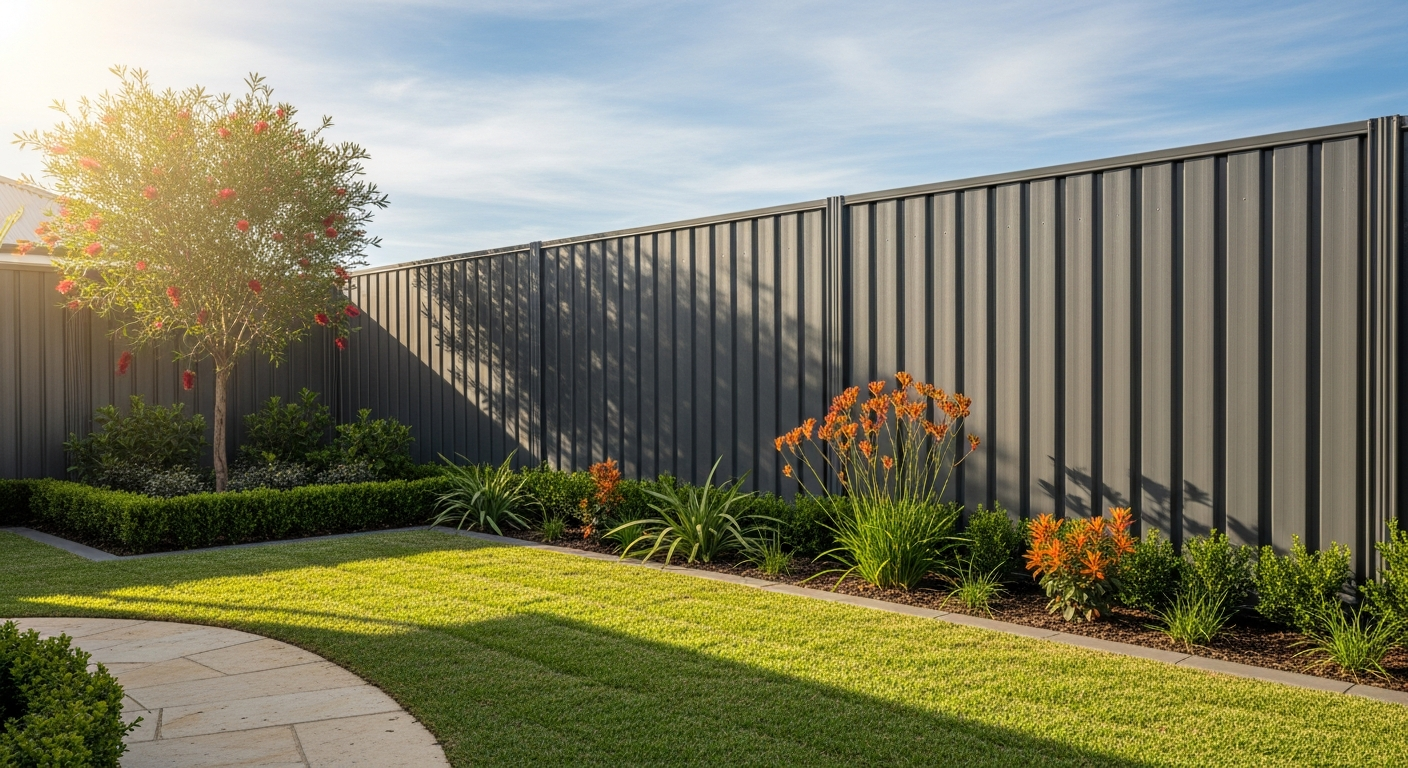
Metal fencings can be a strong choice when your concern is durability and reduced upkeep. They also look wonderful when you desire personal privacy without a completely opaque wall. Nevertheless, traditional metal layouts typically leave a lot more spaces than timber or panel styles, so "privacy" in the stringent feeling can be more challenging to attain unless you select a fully covered system or use metal with strong infill.
That claimed, metal can still aid. If you choose a steel privacy fencing with infill that obstructs direct sight, it can be extremely resilient in rough weather. It's likewise less susceptible to rot and pests, which matters if your lawn perspires or shaded.
The compromise is visual appeal and acoustics. Steel tends to transfer or mirror audio differently than dense timber or vinyl. If your major goal includes noise reduction, you ought to evaluate whether metal is the best device, or whether coupling it with landscape design and various other audio dampening selections will certainly obtain you closer to what you want.
I'm not saying "don't do steel." I'm stating match assumptions. Steel is a durability play with privacy that depends greatly on the infill design.
Where latticework fits: privacy with air flow and a plan
Lattice is the fencing design people question the most, since it can look exclusive up until you're standing near it and see just how much light and activity passes through. Lattice functions best as a supplement, not as your sole privacy solution.
In method, lattice can make sense when you want partial privacy currently and better personal privacy later on. For example, you can pair lattice with climbing up plants along a fencing line. In the early months, privacy will certainly be moderate. With time, as plants fill in, the fence becomes much more reliable. That approach is excellent if you take pleasure in gardening and you're willing to wait through the "thin phase."
Lattice also functions when you're intending to obstruct a certain sight, like a neighbor's tilted sightline from one area. Utilize it where you require it, and rely upon solid panels elsewhere.
If you're believing latticework because it's more affordable, consider the longer timeline. It's not automatically a reduced price. You might invest in plants, upkeep, and the moment it considers them to mature.
Choosing height and design: the part nobody advertises
A fencing design can be perfect and still fail if the format is incorrect. Personal privacy is about sightlines. Eye level from a neighbor's seating location can be lower than you think, or higher than you expect if they have outdoor furniture or an upstairs window.
A couple of design facts often tend to make a distinction:
First, gateway positioning issues. A fencing line that is strong except for an entrance opening can threaten your privacy if the gate lines up with where neighbors typically stand. I have actually seen people choose a terrific style and afterwards be sorry for the reality that the only sight right into their backyard is via the gate.
Second, edges and angles issue. Even a fully opaque fence can disclose views with voids at the edge if the posts and panels are not lined up meticulously. That's where constant craftsmanship makes a visible difference.
Third, landscaping can assist yet it requires to match the fence design. If you have a more open style, plants can fill up voids. If you have a dense style, you can focus on visual appeals and noise buffering without relying upon plants for privacy.
Finally, take into consideration how wind affects particles and visibility. A fencing that blocks sight yet allows wind-driven dust blow via can still feel "exposed" even if it's practically personal. Often a slightly denser face and tighter board spacing helps more than adding even more plants.
A glimpse at one of the most common privacy styles
When homeowners request a fast shortlist, I normally provide a clear collection of choices, yet I additionally emphasize that "best" relies on their sightlines and maintenance tolerance. Below's the practical shortlist I grab frequently:
- Board-on-board: dense astonishing for solid view stopping, timeless look, timber upkeep required if you choose wood
- Solid panels (wood, composite, vinyl systems): maximum protection, tidy look, requires solid blog posts and bracing for wind
- Shadowbox: solid privacy with a lighter visual feel, finest when you want concession not total opacity
- Tight-spaced upright boards: customizable and simple, personal privacy depends heavily on handiwork and product security
- Lattice plus plants: partial personal privacy that enhances in time, best as a supplement instead of the major blocker
If you're not sure which one fits, the fastest path is typically to walk your residential or commercial property line with a person that recognizes just how privacy fencings are judged, and then determine what you're actually attempting to block.
Questions to ask your fence company prior to you authorize anything
This is where individuals shield themselves. A fence company can sell you on a design, but the inquiries below assistance you learn whether they'll build it in such a way that performs.
- What privacy requirement do you develop to: full sight blocking from normal eye level, or "semi-private" deliberately?
- How do you deal with message spacing and supporting for wind loads on strong or dense panels?
- What materials and grades do you recommend for your neighborhood climate, and how will they mature in sun and rainfall?
- What is your plan for entrance alignment, since that's typically the weak point in privacy?
- Can you reveal instances of the exact same design installed on a similar great deal design, not just in a showroom?
You can tell a lot from exactly how they address. A positive installer will certainly talk about placement, measurement, and exactly how they protect against spaces and sagging. A vague answer often suggests they're selling the look, not the performance.
Trade-offs you'll feel in everyday life
Privacy fences are not just a fixed object. You interact with them each day, and the trade-offs turn up fast.
If you pick an extremely dense fence, you might notice that the yard really feels cooler in some seasons yet more enclosed in others. Some home owners like that, others feel like the yard loses its openness. If you have a sight you appreciate, a fully nontransparent fencing can steal it also if it gives you privacy from neighbors.
Dense fencings can also create more wind stress. That's not just an engineering issue, it can influence just how your fencing examines time if the framework is hardly sufficient. Sagging panels are more than an aesthetic trouble. Drooping adjustments sightlines and can develop brand-new gaps.
On the various other hand, more open styles like shadowbox or specific fence-and-plant combinations can allow breeze, that makes your lawn feel much more comfortable. However you might get "motion exposure" during the night. A neighbor with cozy illumination can in some cases create silhouettes, also behind a fence that blocks direct angles. If nighttime personal privacy matters to you, you'll wish to think about density and the method light mirrors off materials.
Maintenance is the final compromise. Wood fences can be sensational and all-natural, but they call for a strategy. Vinyl and composite typically call for less, however you need an excellent installation and you must still expect some periodic cleaning.
Matching the style to your yard type
Not every lawn ought to get the very same solution.
If your fence line is along a straight limit with regular neighbor sightlines, dense designs like board-on-board or solid panels commonly do best. They close the issue in a predictable way.
If your backyard has numerous checking out points, like a deck, a walkway, and a window, a strong panel technique can streamline everything. Less guesswork, fewer weak spots.
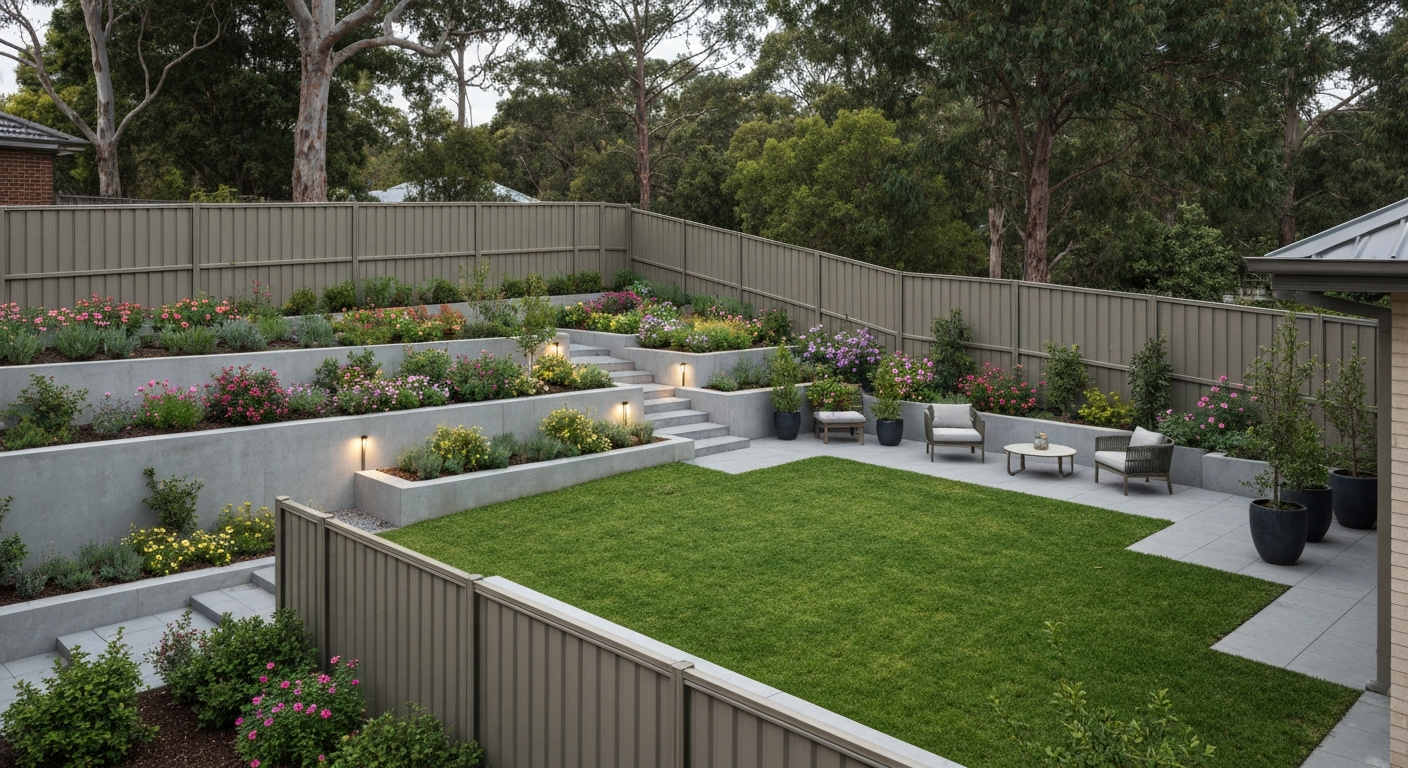
If your lawn is landscaped heavily and you want the fence to discolor back visually, shadowbox or tight-spaced vertical boards can function perfectly. They offer privacy while keeping the room sensation created rather than walled off.
If you get on a budget plan yet you still desire ultimate personal privacy, lattice with a plant strategy can be a smart compromise. You're getting time and labor rather than acquiring solid insurance coverage immediately. Just be honest with yourself about the effort called for to maintain plants thriving.
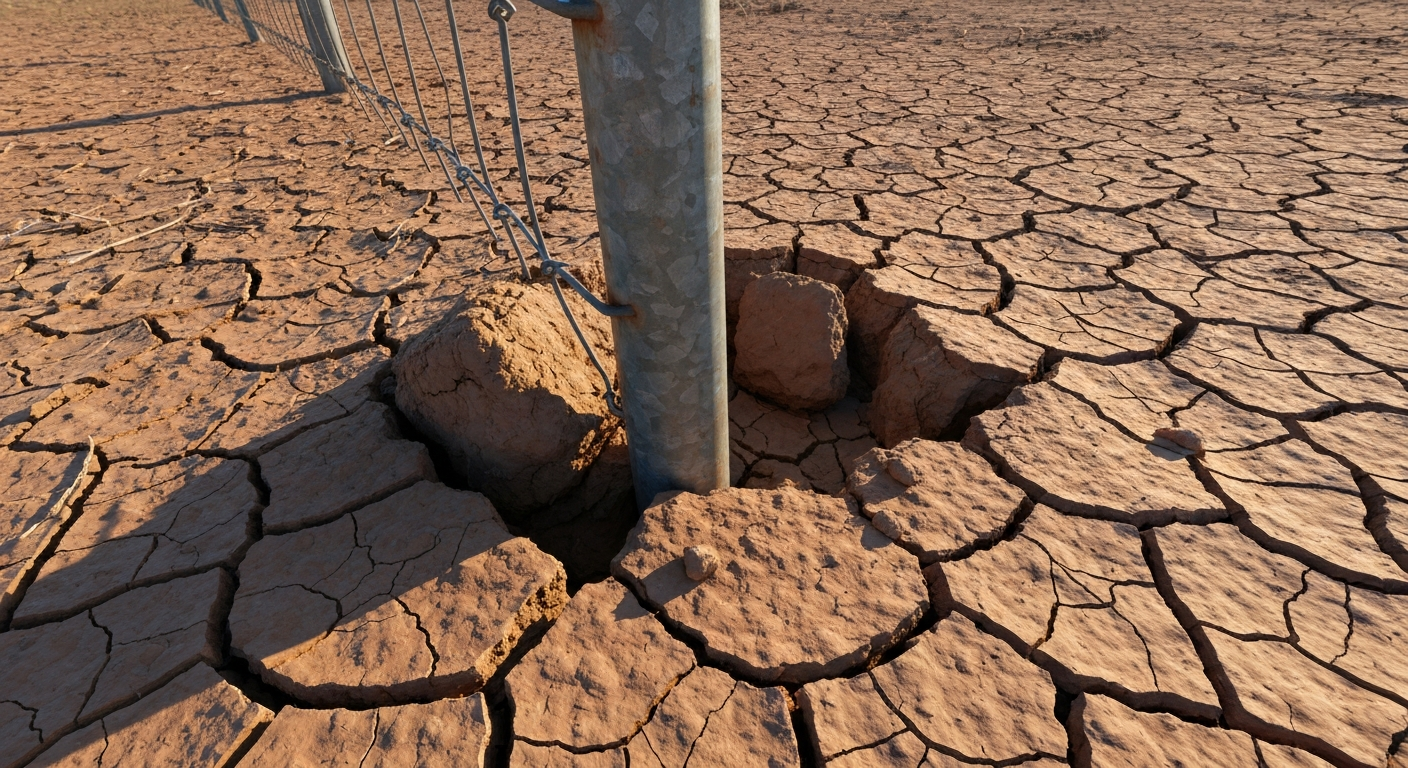
If you're taking care of harsh climate, longevity needs to be component of the style decision, not an afterthought. That presses choices toward products and setup approaches that can handle your conditions without constant repairs.
A few field-tested "little information" that alter outcomes
The big decision is the fencing design, yes. But the result commonly switches on details.
One detail I enjoy is an excellent cap. Caps safeguard horizontal board ends and reduce water exposure. Despite top quality setup, water finds sides, and caps are where you acquire years.
Another is bottom clearance. Too reduced and you trap moisture. Too expensive and you lose personal privacy and let pets under. The correct amount varies with environment and grade, however the principle holds: don't treat it like an afterthought.
Then there's placement and spacing uniformity. It's not practically looks. Constant spacing develops regular personal privacy. If one section is a little larger, you might not see it during daytime, yet at night with different lights, that gap can come to be the entire factor you're trying to avoid.
Finally, think about future modifications. If you plan to add exterior lighting, a grill island, or a seating wall, the fence line will certainly become a backdrop. A personal privacy fence that looks terrific now ought to still look great after you live with your backyard for a year or two.
Picking the "finest" design for your own version of privacy
The finest fencing style for personal privacy is the one that obstructs the details sights you're handling, stands up in your climate, and matches just how you desire your yard to really feel. If you want near-solid protection and you can live with the density, board-on-board and solid panels are the greatest entertainers. If you want solid personal privacy without making the lawn feel closed, shadowbox and tight-spaced upright boards are frequently the most effective blend.
If you're torn, right here's an approach that operates in the real world. Determine which side of the lawn matters most, after that focus on the densest style there. Usage somewhat much more open alternatives somewhere else if you want air flow and gentleness. That "targeted personal privacy" strategy is typically more affordable than making the whole residential or commercial property line just as thick, and it still delivers the feeling you in fact desire when you tip outside.
If you take your time, ask the appropriate inquiries, and choose a fence company that prepares for framework and alignment, you can end up with a fencing that does greater than block sightlines. It comes to be the limit that lets you utilize your outdoor room like it's yours.